

The Best 7 Practices for Supplier Quality Management
Dealing with supplier quality can be tough. It is frustrating when parts do not meet your needs or show up late. Many of us have faced these same problems before. Studies also show that having a strong supplier qualification process helps stop nonconformance and bigger issues down the road.
In this post, you will find seven of the best ways to manage supplier quality. We keep it simple with steps like setting clear rules, tracking performance using KPIs, and using audit checklists.
Keep reading to see how you can quickly build better supplier relationships!
Define Quality Requirements

Clear quality requirements help us avoid costly mistakes in CNC machining. We start with product specs that list all technical details, tolerances, and what the part must do. Performance standards set things like defect rates or on-time delivery that suppliers must meet, so expectations are known from the start.
For example, some of us in automotive require our suppliers to have IATF 16949 certification since it proves they follow global standards.
Testing and inspection steps must be spelled out, naming which tests need to be run, and how often. On our projects, we use a simple auditchecklist in SafetyCulture (iAuditor), which makes it easy for us to track and review quality.
If any part does not meet the requirements, a set procedure handles non-conforming materials. We also make sure our supplier quality policy covers who is responsible, how problems get escalated, and how often we review standards.
As mechanical engineers working with strict FDA or ISO 9001 rules, these steps help us keep every batch consistent and ready for assembly.
Quality begins with clear specs and regular checks, our lead machinist always says during team meetings.
Select and Qualify Suppliers

We know how crucial it is to choose the right suppliers. It affects everything from quality to compliance. Here's how we do it:
- First, we look at suppliers' QMS and production capabilities. We check if they can meet our standards.
- We assess their compliance history to make sure they follow rules.
- Pre-qualification audits help us see their operations up close, either by visiting or through online meetings.
- Financial stability checks are a must. We avoid suppliers that might not last long.
- Looking at past performance gives us confidence in their reliability and quality.
- Trial runs and sample testing ensure they can consistently meet our needs.
- We use questionnaires for supplier self-assessments. They tell us about their quality controls and certificates.
- Adding only qualified suppliers to our Approved Supplier List keeps our supply chain strong.
- Reference checks with other customers give us extra peace of mind about a supplier’s reputation.
- For special needs, like in pharmaceuticals, we check for specific certifications such as GMP.
Through these steps, we make sure we work with the best suppliers out there. Next up, let’s talk about how we keep these relationships strong through clear agreements.https://www.youtube.com/watch?v=0NZL233Qqhk
Establish Clear Supplier Agreements

Clear supplier agreements help set strong rules for quality, safety, and delivery. We always put these rules in writing, so both sides understand what they must do. Our contracts list clear quality standards and explain how we handle defects or late shipments.
For example, consumer electronics brands often require RoHS compliance in every supplier contract. We include service level agreements (SLAs) with key metrics, like defect rates or on-time delivery, which hold suppliers accountable.
If a part fails to meet the standard, the agreement spells out steps for review and fixes. Penalties for not meeting these terms keep things fair.
Our contracts give us the right to inspect or audit our suppliers at set times. We add details on reporting needs and what happens if a problem gets worse. Many agreements also describe how we work together on corrective action plans (CAPA).
During onboarding, some suppliers get training linked straight to these terms, so everyone is ready from day one. Now let’s talk about how we track supplier performance over time.
Monitor Supplier Performance Regularly

Establishing clear supplier agreements sets a strong foundation. Next, we must monitor supplier performance regularly. This begins right after onboarding. We track key performance indicators (KPIs) such as defect rates and on-time delivery.
It's important to watch these metrics closely. Continuous monitoring helps us spot trends and identify any potential issues early.
Quarterly reviews are a great way to assess how our suppliers are doing. For example, medical device manufacturers often use scorecards to ensure compliance with FDA 21 CFR Part 820 standards.
Tools like Kodiak Hub give us real-time dashboards for easy tracking of quality issues. With this approach, we can make better sourcing decisions and address underperforming suppliers more efficiently.
Regular checks help maintain high standards in our supply chain.
Foster Open Communication and Feedback

Open communication is key for good supplier relationships. We need to create strong feedback loops that help suppliers improve. Regular meetings, like monthly or quarterly reviews, keep everyone on the same page.
During these sessions, we can use supplier scorecards to track performance and share insights.
Collaborative problem-solving workshops allow us to tackle quality issues together. Digital portals make it easy to share compliance documents and feedback quickly. Integrated messaging helps us resolve problems faster too.
Recognizing high-performing suppliers keeps them motivated and drives improvement in our supply chain as well. Regular feedback ensures transparent and constructive relationships with our suppliers, fostering teamwork and continuous growth together.
Implement Corrective and Preventive Actions (CAPA)

We need to act when quality issues arise. CAPA processes help us take both corrective and preventive measures.
We can use root cause analysis (RCA) to find the source of quality problems. This helps us understand why an issue happened before we make changes.
Corrective actions may include rework, training, or changing our processes to fix defects. We must monitor these actions closely to ensure they work effectively. It is crucial to see that issues do not return after we fix them.
Preventive measures are important too. They help us avoid future quality problems by addressing risks early on.
For effective CAPA, we can use tools like 5 Whys analysis, Failure Mode and Effects Analysis (FMEA), and the 8D problem-solving method. These tools guide us through solving issues step by step.
We must document all non-conformance reports and CAPA actions. Tracking these reports ensures accountability in the supply chain.
Finally, using structured CAPA processes supports long-term improvements in quality and strengthens supplier relationships. Next, we will look at conducting supplier audits and assessments.
Conduct Supplier Audits and Assessments

After we implement Corrective and Preventive Actions (CAPA), conducting supplier audits and assessments is the next step. These audits help us verify that our suppliers meet quality and regulatory standards.
Supplier audits provide an ongoing check of supplier performance. We can use the following points to guide our audit process:
- Regular audits are essential for ensuring compliance. This helps us confirm suppliers follow quality standards over time.
- Audits can be second-party or third-party checks. Second-party means we conduct them, while third-party audits come from an independent entity.
- Remote audits offer flexibility. We can use software for monitoring supplier practices without physical visits.
- A structured checklist makes assessments easier. Audit checklists help guide us through what to evaluate during the audit.
- Tracking the audit pass rate is crucial. It shows the percentage of successful audits, which helps in evaluating supplier quality.
- Digital tools improve our efficiency in scheduling and executing audits. This allows for better tracking of compliance activities.
- Automated checks ensure suppliers follow global standards consistently, reducing manual work on our end.
- Supplier agreements should specify audit rights and frequency clearly; this sets expectations for both parties involved.
- SafetyCulture (iAuditor) offers real-time visibility during audits; it provides tools to check performance on the spot.
Conducting thorough supplier audits strengthens our supply chain and promotes high-quality products at all times.
Use Metrics to Measure Supplier Quality

We can use metrics to check how well our suppliers perform. Key things to look at include product quality, costs from poor quality, and how well they follow standards. This helps us see where we stand and what needs work.
Tracking these areas keeps the supply chain strong and efficient.
Product consistency

Product consistency is key for our success. We conduct trial production runs and sample testing to ensure a supplier can meet our quality needs. This helps us catch issues early, before we move to full-scale production.
Monitoring the defect rate is a crucial part of our checks. It shows the percentage of defective goods per shipment. We also carry out regular incoming inspections that help us confirm that raw materials meet defined specifications consistently.
Non-conformance reports track failures in quality and how often they happen. Tools like First Article Inspection (FAI) and Production Part Approval Process (PPAP) support us in validating consistent manufacturing processes at supplier facilities as well.
For example, global apparel brands have adopted lean manufacturing with their suppliers to cut defects and boost product consistency effectively.
Cost of poor quality
Cost of poor quality, or COPQ, includes all expenses linked to defects, rework, and failures from suppliers. These costs can add up quickly. High COPQ cuts into profits and slows down our operations.
We need to measure this carefully.
Tracking COPQ helps us avoid costly mistakes later on. By using supplier scorecards that highlight COPQ as a key metric, we can keep an eye on performance over time. For example, if defect rates rise, it directly raises our COPQ and shows the need for action.
This awareness guides us in making smarter sourcing choices moving forward. Next, we will examine how metrics help us measure supplier quality effectively.
Compliance with standards
We must ensure compliance with standards to maintain high quality. Compliance means following industry certifications like ISO 9001, IATF 16949, and FDA rules. Each certification shows we commit to excellence.
During supplier pre-qualification audits, we assess their adherence to these standards. We also check compliance through regular reviews and audits. Automated compliance checks help us monitor global standards more easily.
Digital systems can send alerts for any non-compliance issues quickly. For example, medical device manufacturers use scorecards and audit results to track compliance with FDA regulations like the 21 CFR Part 820 rule.
Supplier agreements often require proof of certification before partnering with them. This helps ensure that all suppliers meet necessary quality benchmarks and practices consistently throughout our projects.
Leverage Supplier Quality Management Software

Supplier Quality Management Software helps us streamline our work. Tools like Kodiak Hub and SafetyCulture/iAuditor automate many tasks. They bring everything into one place, which reduces mistakes.
Real-time dashboards show us how each supplier is performing. This way, we can spot issues early.
Automated scorecards keep track of quality standards easily. We receive alerts if things go wrong, so we act fast. Supplier self-assessments can be done online too. This speeds up the review process significantly.
Centralized reporting helps with tracking any non-conformance and executing corrective actions efficiently. Using AI and machine learning also improves our supplier selection by giving better risk scores for suppliers we consider working with.
Drive Continuous Improvement Initiatives

Using supplier quality management software helps us track performance closely. This ongoing review points out areas for improvement quickly. Regular supplier audits play a key role too.
They allow us to check compliance and find gaps.
We need to implement corrective and preventive actions (CAPA) consistently. These actions help avoid issues before they start. Joint problem-solving workshops also boost collaboration with suppliers.
Training programs can elevate their skills, leading to better results for all of us.
Recognizing suppliers for good work encourages them to keep improving as well. This creates a culture of excellence in our supply chain, driving quality enhancement together!
Build Strong Supplier Relationships

Strong supplier relationships help us create high standards. These connections enhance our processes and make our supply chain more resilient. We can achieve better results by communicating effectively and working together closely with our suppliers.
Setting clear expectations from the start is crucial. Regular updates keep everyone informed and aligned.
Building trust is essential for long-term success. Joint problem-solving for challenges allows us to work through issues together, which strengthens these bonds. Structured onboarding programs help new suppliers integrate well into our systems.
Recognizing top-performing suppliers motivates them to maintain their high standards. Supplier development programs, like workshops or benchmarking activities, also support this growth, ensuring we all thrive in the same direction as a team across procurement, quality assurance (QA), and production departments.
Mitigate Risks in the Supply Chain
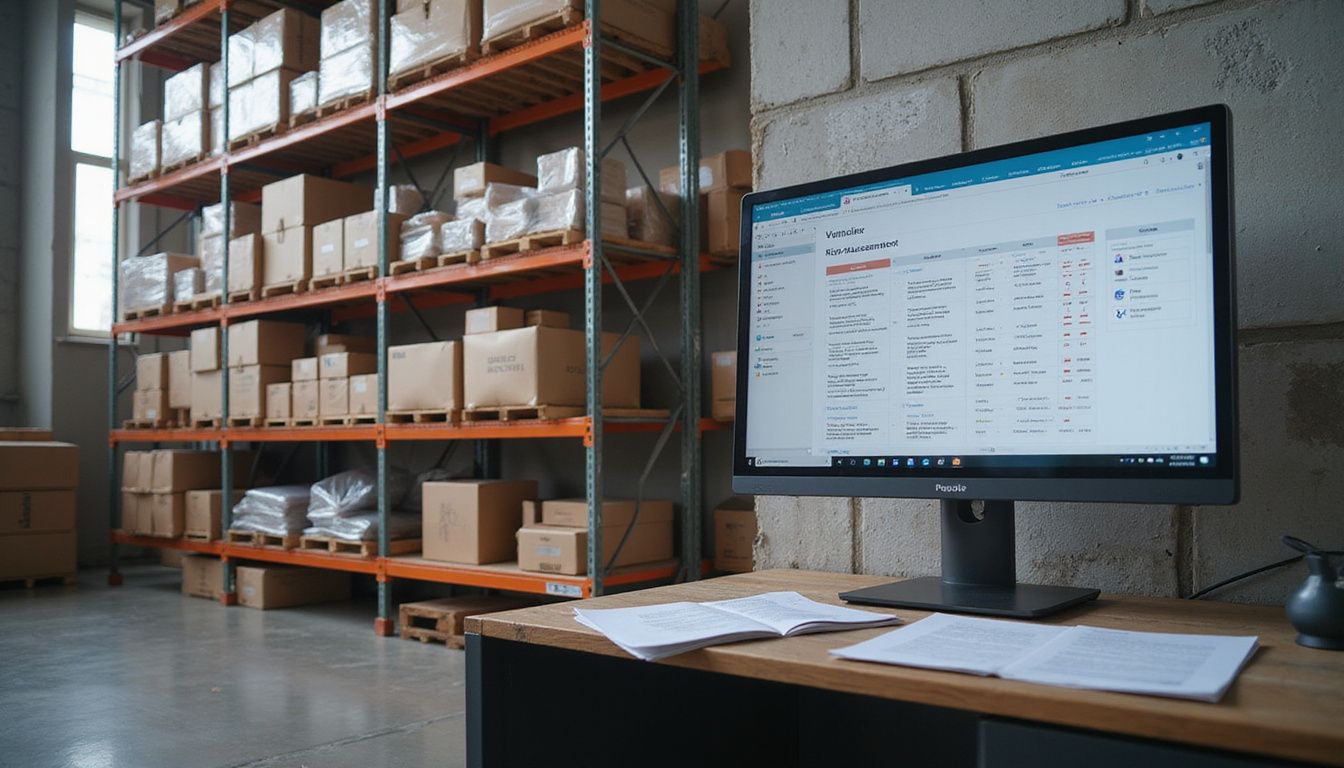
We need to spot risks early in our supply chain. Achieving this requires full visibility through Supplier Quality Management Software (SQMS). It helps us see where the problems might occur.
Documented risk assessments let us check suppliers for financial, regulatory, and operational risks. High-risk suppliers need regular audits and close monitoring.
Data-driven decisions can help us prioritize what needs our attention first. Automated alerts for non-compliance allow us to act quickly when things go wrong. We can put risk mitigation clauses in supplier agreements too, which remind everyone of their responsibilities.
Lastly, benchmarking against industry leaders shows us how we can reduce emerging risks more effectively.
Ensure Regulatory Compliance

Regulatory compliance is vital for our suppliers. We require certifications like ISO 9001, IATF 16949, GMP, and FDA to ensure quality. Compliance helps us maintain safety and standards.
Supplier agreements outline these regulatory needs clearly. They also state what happens if a supplier does not meet these requirements.
To monitor compliance effectively, we conduct audits and self-assessments. Automated checks in Supplier Quality Management Software make global monitoring easier too. Documentation of all compliance practices is necessary during onboarding and regular reviews.
For example, medical device makers track their progress with FDA regulations under 21 CFR Part 820. All non-compliance issues are recorded and resolved through Corrective and Preventive Actions (CAPA).
This way, we keep our supply chain strong and reliable.
Align Supplier Goals with Business Objectives

After ensuring regulatory compliance, we must align supplier goals with our business objectives. Supplier performance should match what we need to succeed. This includes focusing on defect rates, on-time delivery (OTD), and sustainable practices.
Regular reviews help suppliers understand our targets and work toward them. Clear agreements set expectations for quality, delivery, and compliance. Joint workshops can build a shared understanding of these objectives.
Digital Supplier Quality Management Systems (SQMS) offer transparency in tracking progress too. Programs that recognize and develop suppliers can motivate them to meet or exceed what we expect.
Using supplier scorecards lets us benchmark progress over time as well.
Overcome Challenges in Supplier Quality Management

We face many challenges in supplier quality management. Inconsistent performance from suppliers can cause problems for our projects. Limited visibility, especially with global suppliers, makes it hard to track issues.
Evolving regulatory requirements add stress too. Some suppliers resist new controls, which can slow down improvements.
To tackle these problems, we focus on data-driven decisions and risk-based audits. Regularly tracking supplier performance helps us find issues early. Using remote audits and digital self-assessments increases our visibility across the supply chain.
We also invest time in training and onboarding programs to reduce resistance from suppliers about new rules and controls. Strong contracts help hold them accountable for their performance as well; this adds a layer of responsibility that keeps everyone aligned.
Next up, we will explore how to standardize metrics and processes for even better results in managing supplier quality.
Standardize Metrics and Processes

We must standardize metrics and processes to ensure smooth supplier quality management. Standardized key performance indicators (KPIs) help us measure all suppliers consistently. We can use scorecards that track important areas like quality, on-time delivery, acknowledgment rate, and responsiveness.
Cloud-based Supplier Quality Management Software (SQMS) provides real-time updates for these scorecards. This makes tracking easier for everyone involved. Automated workflows help us keep audits and compliance in check.
Master lists of steps and checklists support our efforts to maintain consistency across the board. Transparency in how we measure and report keeps our relationships with suppliers strong.
Utilizing standardized metrics allows us to benchmark against others in the industry too; this gives us insights into how our suppliers perform.
Promote Supplier Quality Certifications

Supplier quality certifications are essential for us in supplier management. Certifications like ISO 9001, IATF 16949, and AS9100D demonstrate that a supplier meets high standards.
These certifications affirm that they focus on quality and safety in their work.
We include certification requirements during the supplier onboarding process. This way, we ensure new suppliers align with our needs from the start. Regular audits help confirm ongoing compliance with these standards.
Tracking certification status through scorecards also helps us measure performance effectively. This practice supports our commitment to quality and aligns with regulatory compliance, such as FDA rules.
Next, we can consider conducting effective supplier audits and assessments to maintain high-quality expectations.
Conclusion

Strong supplier quality management leads to better products. We can achieve this by following our seven best practices. First, we define clear quality requirements. Then, we select and qualify the right suppliers.
Regular monitoring helps us keep track of their performance, while open communication fosters good relationships. When issues arise, we take corrective actions quickly. By focusing on these steps, we ensure our supply chain is reliable and efficient for everyone involved.


Recent Posts

LET’S START WORK
TOGETHER
Please feel free to contact us. We will get back to you with 1-2 business days. Or just call us now.