
Top 7 Lessons from Lean Manufacturing in Precision Shops
Many of us deal with slow production, wasted time, and errors in our precision shops. It feels tough to keep up with deadlines and avoid waste; these struggles are common in our work.
After looking into lean manufacturing and quality management systems like the Toyota Production System, we noticed that simple changes can boost productivity and cut down on mistakes.
Keep reading to see how these top lessons from lean principles can help your shop work smarter every day.
Lesson 1: Identifying and Eliminating Waste

Identifying and removing waste is key in precision shops. We learn about the eight types of waste in manufacturing, such as overproduction and excess motion. These wastes slow down our processes and increase costs.
By focusing on waste reduction, we can improve efficiency and quality in our work.
Understanding the 8 Wastes in Manufacturing
We always look for ways to make things better in our precision shops. Lean manufacturing helps us do just that by reducing waste. Here are the eight kinds of waste we tackle:
- Transport: Moving products that is not necessary can waste time and resources. We try to keep movement to a minimum.
- Inventory: Holding too much stuff ties up space and money. We keep only what we need.
- Movement: If people or machines move more than needed, it's a waste. We arrange our shop floor to make things flow smoothly.
- Waiting: Delays can happen when work-in-progress stops moving. We aim to keep everything moving efficiently.
- Over-production: Making more than needed is a big waste. We produce just enough to meet demand.
- Over-processing: Doing more work on a product than necessary means wasted effort. We focus on keeping processes simple and effective.
- Defects: Fixing mistakes takes time and materials away from good production. We work hard to get it right the first time.
- Unused talent: Not using people's skills fully is a waste too. We encourage everyone to share ideas for improvement.
Next, let's explore value stream mapping and how it helps us see where we can get better at this.
Practical Examples of Waste Reduction in Precision Shops
Understanding the 8 wastes in manufacturing helps us spot trouble areas. Now, we can see how shops put lean production ideas into action. Daman Products, in 1999, cut cycle times by 97 percent and setup times by 50 percent using lean management and Kaizen.
Their lead times dropped from up to 8 weeks to just 5 to 10 days. They also shortened flow distance by 90 percent. NCR Dundee used lean thinking to trim inventory from 47 days to 5 days.
Flow time went down from 15 days to only 2 days. They also cut the number of suppliers from 480 to 165, reaching 77 percent dock-to-line supply. These results show how Six Sigma and the Toyota Production System help in real shops.
We improve process flow and reduce waste through lean processes, automation, and clear project management. Hewlett-Packard’s Greeley plant cut inventory by 75 percent, labor costs by 30 percent, and shop floor space by half.
Output doubled. HP's Fort Collins plant lowered throughput from 17 days to 30 hours and reduced inventory by 75 percent. Omark Industries’ “ZIPS” system slashed drill inventory by 92 percent and lifted productivity by 30 percent.
After only 40 hours of lean training, they cut scrap by 20 percent and trimmed lead time by a week. As Shigeo Shingo and W. Edwards Deming showed, simple changes in workflow and supply chain management can drive big gains in quality improvement and cost control.
Small changes each day, backed by lean tools, yield big savings over time.
Lesson 2: The Importance of Value Stream Mapping

Value stream mapping is key in precision shops. It helps us see how work flows and where problems arise. By mapping out each step, we identify delays or waste. This leads to smoother operations and better efficiency.
Using tools like flow charts, we can find ways to improve our processes quickly.
Mapping Processes to Identify Bottlenecks

We know how crucial it is to identify bottlenecks in manufacturing. Value Stream Mapping (VSM) helps us spot these issues.
Here's our approach:
- We start by drawing a map of all steps in our production process. This shows us where pieces are made and how they move.
- Next, we look at the time each step takes. We find spots where delays happen often.
- We use metrics like cycle time and wait time to see where products get stuck.
- Then, we check inventory levels between processes. High stock could mean a bottleneck somewhere before.
- We talk to our team on the floor. They often know exactly where problems are.
- Tools like Kanban boards help us visualize workflow and find trouble spots faster.
- Finally, we compare our current state map with our goal. This shows us what we need to fix to improve flow.
By doing this, we make sure things run smoothly and quickly in our shop.
Streamlining Operations for Efficiency

Mapping processes helps us see where problems may arise. Once we identify bottlenecks, we can focus on streamlining operations for efficiency. This means cutting out steps that do not add value.
For instance, Daman Products achieved lower cycle times and better flow by eliminating waste. They removed non-value-adding tasks from their workflow.
NCR Dundee managed to reduce its flow time from 15 days to just 2 days with smart process changes. At Omark Industries, they cut lead time by a week while boosting productivity by 30%.
These improvements show how important it is to streamline operations in precision shops. Streamlined processes allow for faster returns on investments, much like the practices seen in postwar Japanese factories.
Lesson 3: Implementing Continuous Improvement (Kaizen)

Continuous improvement is key for success in precision shops. It focuses on making small changes that lead to big gains over time. We can create a culture where everyone suggests ideas for better ways to work.
Tools like the Plan-Do-Check-Act cycle and feedback sessions help us support these efforts effectively.
Encouraging a Culture of Small, Incremental Changes
Kaizen promotes small changes that add up over time. We focus on making improvements bit by bit, instead of trying to change everything at once. This method helps everyone in our precision shop participate.
Workers can spot problems and suggest fixes. This involvement builds a sense of ownership.
Research shows that these small actions lead to better performance in the long run. Toyota first used Kaizen teams after a truck contract in 1936. They made continuous improvement part of their culture, which is key for us too.
Using tools like value stream mapping helps us identify areas where we can make these little changes for big results.
Next, we will explore how Just-in-Time (JIT) production improves efficiency and workflow in precision shops.
Tools to Support Kaizen in Precision Shops
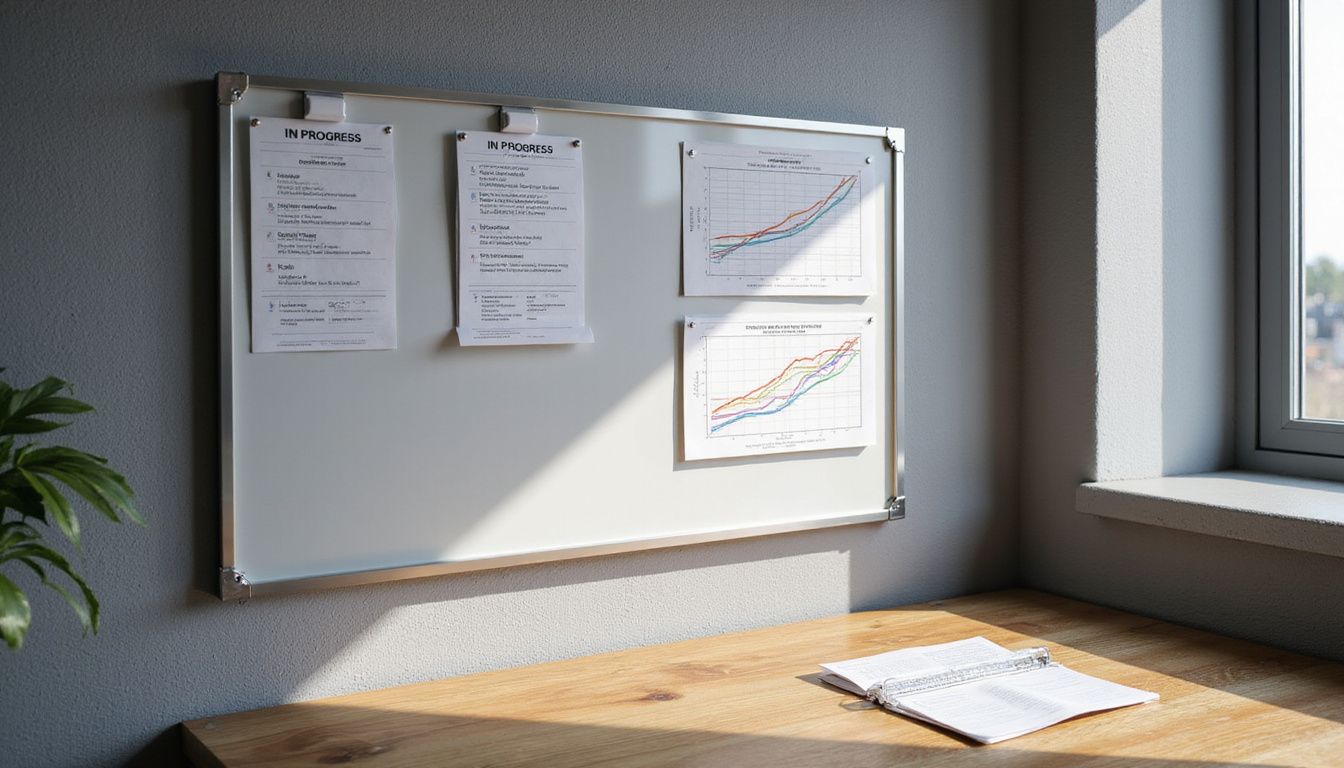
We can enhance our precision shops through effective tools that support Kaizen. These tools help us achieve continuous improvement and streamline our processes.
- 5S methodology helps create an organized workspace. It stands for Sort, Set in order, Shine, Standardize, and Sustain. This method allows us to keep areas tidy and efficient.
- Value-stream mapping (VSM) visualizes the steps in our processes. We can see where delays occur and find ways to improve flow. This tool highlights waste and helps reduce it.
- Visual management systems make data easy to understand at a glance. Tools like color-coded charts or displays show progress clearly. They help teams quickly spot issues.
- Kanban boards let us track work items efficiently. Each task is represented on a board with clear statuses like "to do," "in progress," or "done." This visibility improves communication within teams.
- Total Productive Maintenance (TPM) focuses on keeping machines running smoothly. Operators play a key role by performing regular checks and minor repairs themselves. This reduces machine downtime significantly.
- Error proofing techniques, such as poka-yoke, prevent defects from happening in the first place. Simple mechanisms can stop mistakes before they start, ensuring better quality output.
- Control charts help us monitor process stability over time. By tracking performance data, we can identify trends and variations easily, allowing us to act proactively instead of reactively.
These tools empower us to engage in Kaizen practices effectively in our precision shops while driving improvements continuously across our teams and workflows.
Lesson 4: Leveraging Just-in-Time (JIT) Production
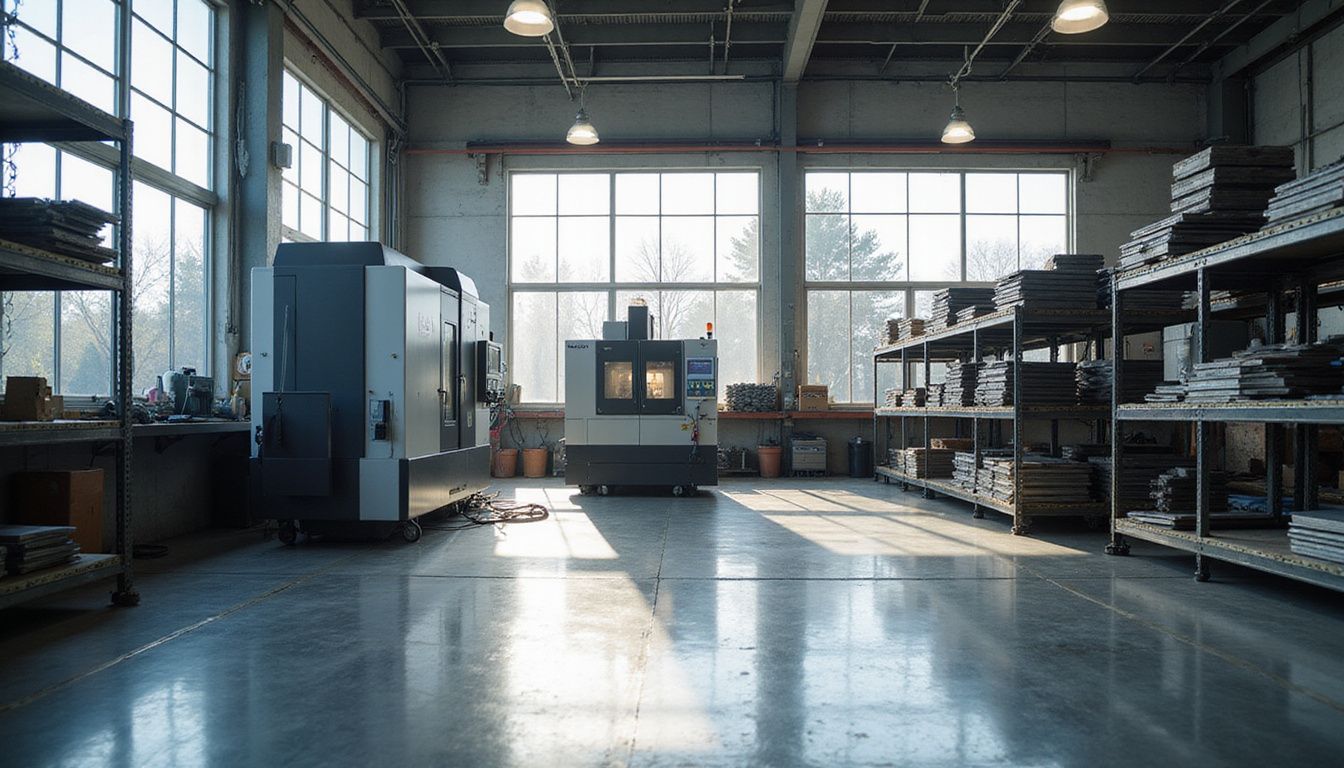
JIT production helps us reduce inventory and improve our workflow. It focuses on making products only when they are needed, which boosts efficiency in precision shops.
Reducing Inventory and Improving Workflow
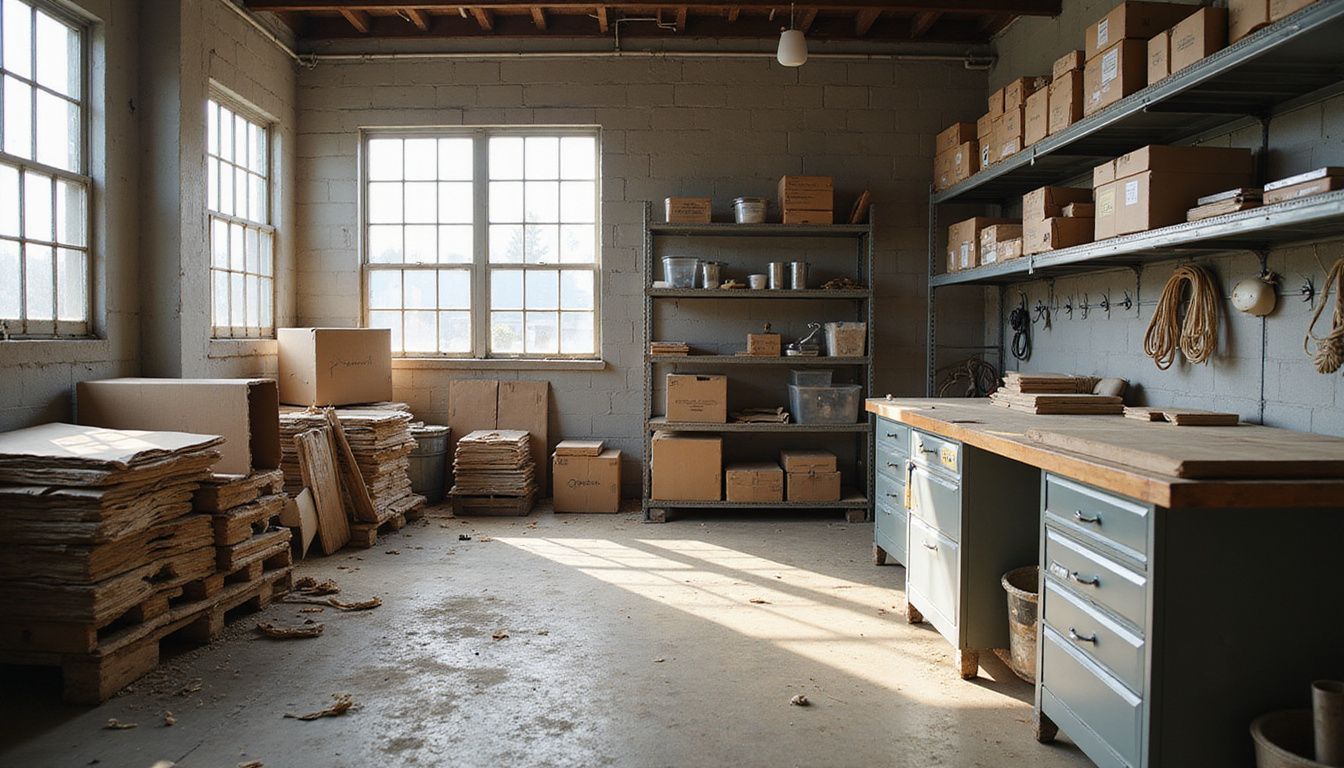
Reducing inventory can make our work smoother and faster. Just-in-time (JIT) production helps us keep only what we need for immediate tasks. This cuts down on excess stock and saves space.
For example, HP Greeley achieved a 75% reduction in inventory using JIT. They also reduced their storage space by half.
By focusing on efficient workflow, we streamline our operations. Omark Industries cut drill inventory by an impressive 92% while improving product flow at the same time. This shows us how JIT principles can lead to better efficiency in precision shops like ours.
Now, let's explore the importance of standardizing work processes next.
Benefits of JIT in High-Precision Environments
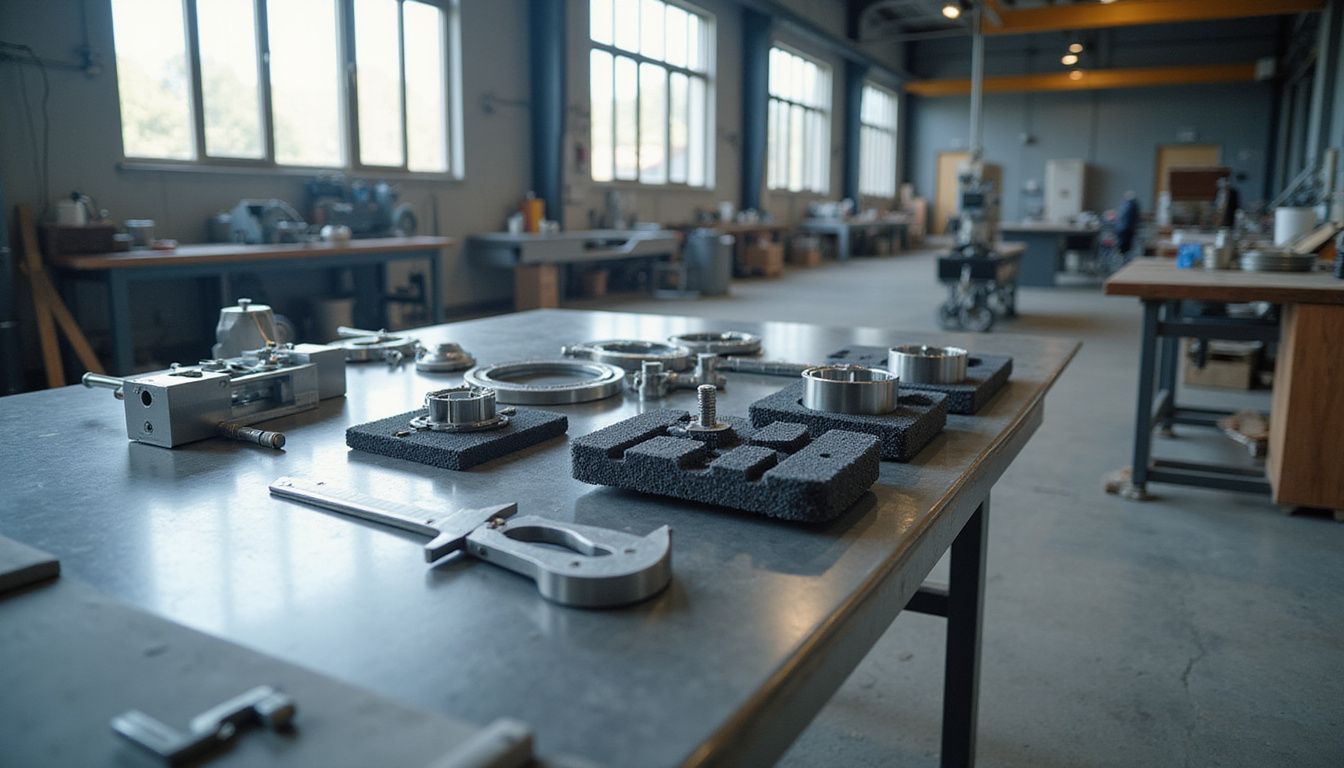
JIT, or Just-in-Time production, greatly helps precision environments. It reduces inventory levels while improving workflow. Daman Products cut cycle times by up to 97% using JIT. NCR Dundee saw its flow time drop from 15 days to just 2 days.
This quick response time is critical in our field.
With JIT, we focus on current production needs and minimize excess stock. Companies like HP Computer Systems achieved a 50% reduction in labor costs through this approach. We also see less scrap and rework, with cuts of up to 30%.
High-quality processes become easier when we hold only what's necessary for today’s tasks. JIT reveals quality issues fast so we can fix them right away.
Lesson 5: Standardization of Work Processes

Standardizing work processes helps create clear and consistent workflows. This approach enhances quality, reduces errors, and boosts efficiency in every step of production.
Creating Clear and Consistent Workflows

Clear and consistent workflows are essential for precision shops. They help us connect directly with our customers and suppliers. We gain clarity in our tasks, reducing confusion and errors.
Standardized processes lay a strong foundation for continuous improvement. This helps us implement future Kaizen efforts effectively.
Effective workflows enhance quality and reduce variability in our output. A structured approach decreases training time for new employees too. Visual management tools like kanban boards can support workflow clarity as well; they allow everyone to see the status of tasks at any point.
By following these principles, we ensure smooth operations that lead to reliable products and satisfied clients.
Enhancing Quality and Reducing Variability

Standardization plays a key role in enhancing quality and reducing variability. By creating clear work processes, we can minimize mistakes in precision manufacturing. Error-proofing tools like poka-yoke help catch errors early.
This prevents defects at their source, leading to better results.
Our experience shows that adopting Lean practices leads to high-quality outcomes. For instance, HP Computer Systems achieved a 30% reduction in scrap and rework through process standardization.
Total Productive Maintenance (TPM) also supports our efforts by ensuring reliability and quality across operations. When we focus on continuous flow and pull systems, we further reduce variability in supply and production.
This commitment to consistency ultimately leads to satisfied customers and repeat business.
Lesson 6: Using Visual Management Tools
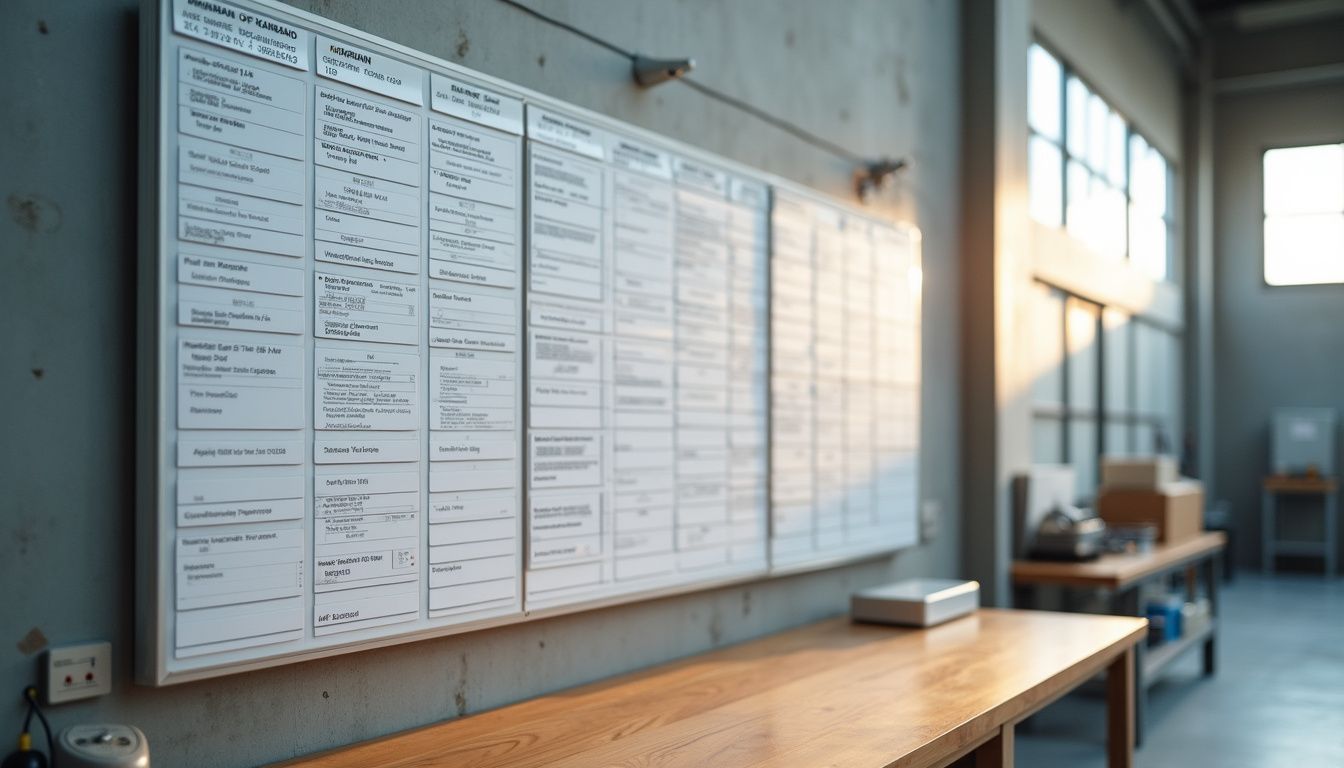
Visual management tools help us see our processes clearly. Kanban boards show tasks at a glance, while Andon systems alert us to any issues. These tools boost teamwork and make communication faster in precision shops.
The Role of Kanban Boards in Precision Shops

Kanban boards play a key role in precision shops. They help us see workflow clearly and manage tasks better. This tool shows where work is needed and helps spot bottlenecks quickly.
We can track material flow, which cuts down waiting times.
Using Kanban allows for pull-based production, delivering value just when it's needed. At Omark Industries, they used Kanban to cut lead times and inventory levels significantly. Our experience with this tool has shown that it works best alongside other Lean tools like 5S and SMED.
With facts from NCR Dundee showing a 77% dock-to-line supply improvement, we understand the power of visible control within our processes too.
Improving Communication with Andon Systems
Andon systems enhance communication on the shop floor. These systems provide us immediate visual alerts about process issues. This aids us in responding quickly to problems. If a worker sees an alert, they can stop production and address the issue right away.
Utilizing Andon boards also encourages transparency in our processes. Real-time feedback makes it clear when something goes wrong. We identify problems as soon as they arise, which allows for swift fixes using the scientific method of problem-solving.
This supports our goal of continuous improvement in precision shops and aligns with Lean's focus on effective communication between customer and supplier connections.
Lesson 7: Fostering Employee Engagement and Ownership

To foster employee engagement and ownership, we need to train our team members well. This helps them feel more connected to their work and the goals of the shop. We can also encourage feedback and ideas from everyone.
When employees feel involved, they take pride in their roles, which boosts efficiency and quality in our precision processes.
Training and Empowering Team Members
Training and empowering team members is key in Lean manufacturing. We focus on cross-training to build a flexible workforce. This helps everyone learn different roles and improves teamwork.
Omark Industries saw great results after just 40 hours of staff training. Workers became more involved with Lean tools like value-stream mapping and Kaizen.
Regular training supports our goals. It ensures we understand standard work processes clearly, which keeps quality high and reduces waste. Empowered employees can spot issues early and fix them at the source.
At Daman Products, we learned that active engagement leads to successful Lean transformations. Training also hones our problem-solving skills, making us more effective in precision shops.
Building Buy-In for Lean Practices
We can build buy-in for lean practices by involving everyone in the process. Employee participation in planning and implementing lean strategies is key. When team members help develop solutions, they feel more connected to the changes.
Management must show real issues on the shop floor, which helps gain trust and support from workers.
Offering recognition for contributions boosts morale as well. Showing tangible results like shorter lead times or higher quality work reinforces commitment to lean principles. Team-based problem-solving builds ownership of outcomes too.
Continuous improvement through kaizen keeps everyone engaged in making our processes better every day.
Conclusion
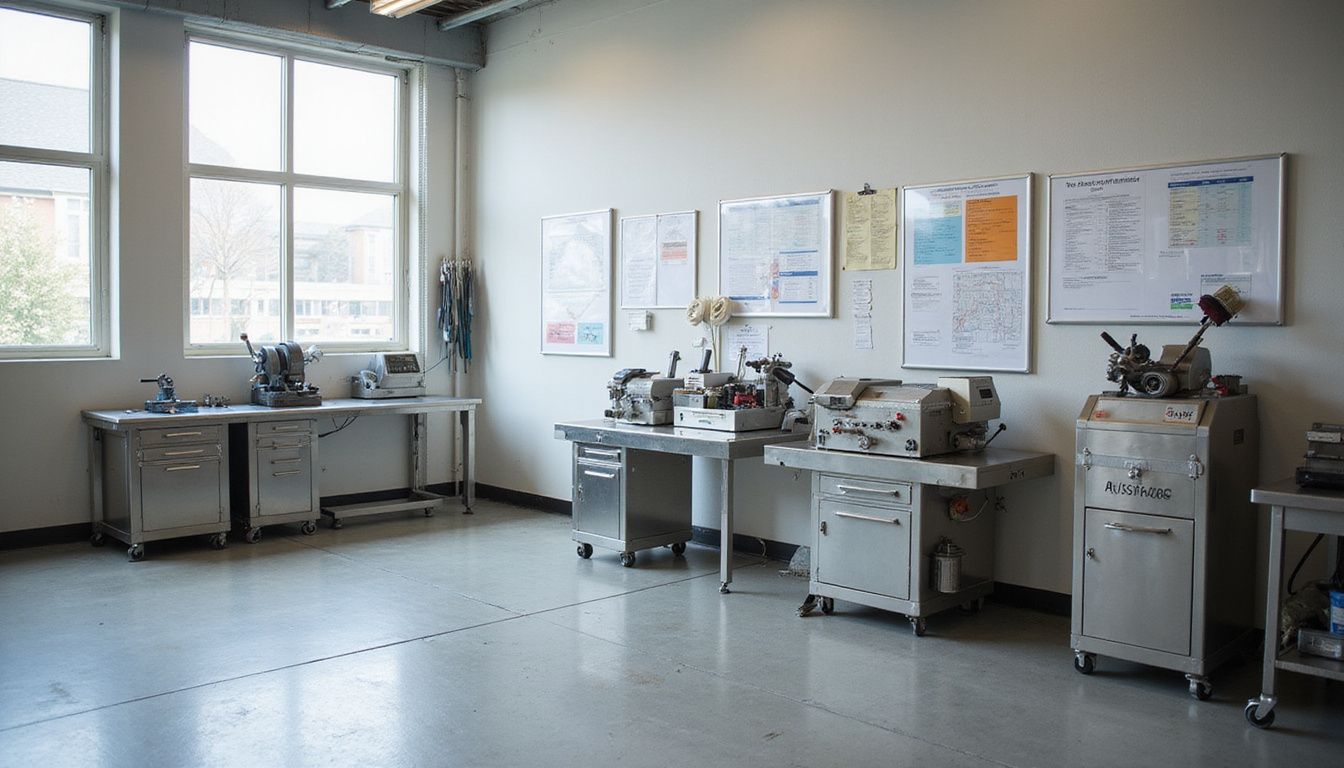
We have explored the top seven lessons from Lean manufacturing in precision shops. Each lesson highlights ways to improve our processes and increase efficiency. By focusing on waste reduction, value stream mapping, and employee engagement, we can create better workplaces.
Implementing these practices will lead to higher quality products and more satisfied teams. Let’s continue learning and growing together in our journey to operational excellence!

Recent Posts

LET’S START WORK
TOGETHER
Please feel free to contact us. We will get back to you with 1-2 business days. Or just call us now.