
How to Implement 6S for Safety and Productivity
It can be hard to keep your work area neat, safe, and productive. Many people face this challenge every day. We understand how tricky it can be, and have seen that the 6S system really helps make things better at work.
In this post, we will walk you through each part of the 6S system. Our guide will help you improve both safety and productivity in your workspace. Keep reading to learn how small steps can make a big difference for any team.
Understanding the 6S Methodology
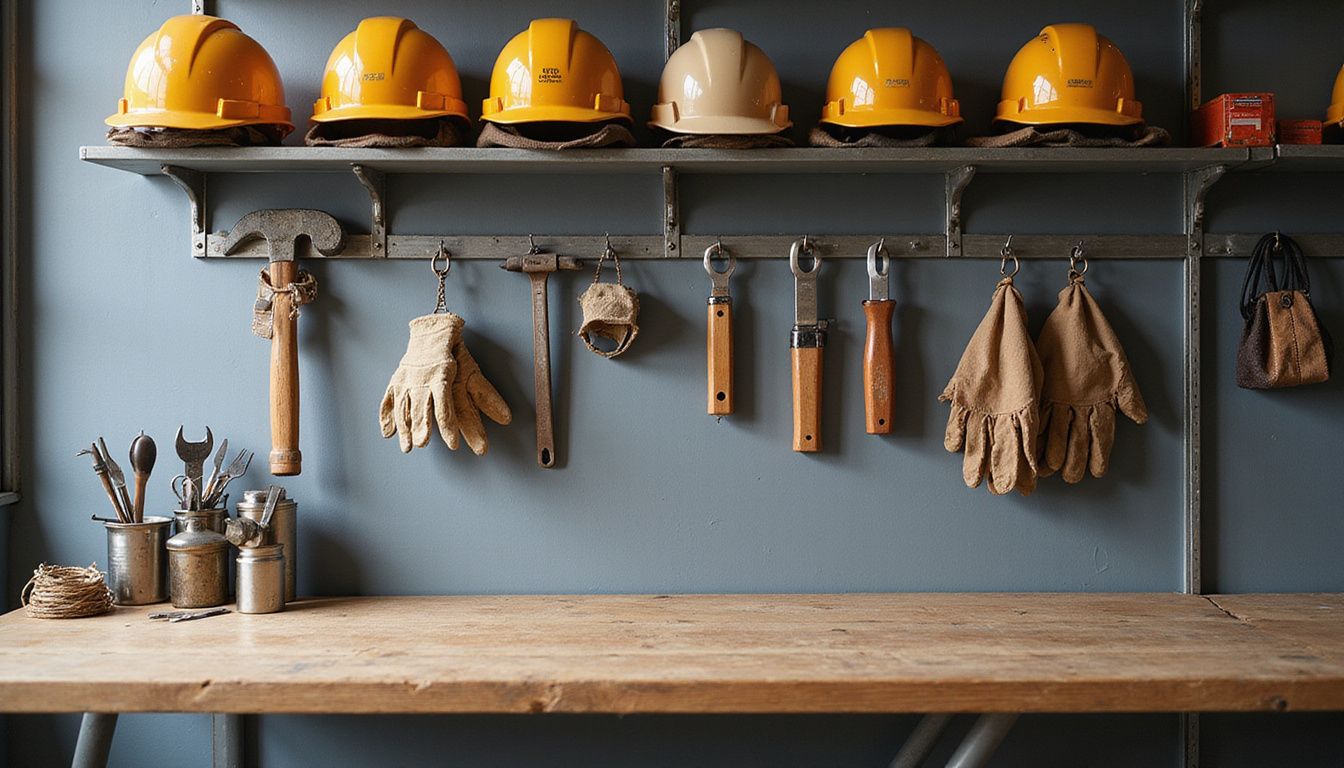
Understanding the 6S methodology is key for improving our workplaces. This method started with 5S, adding a focus on safety to enhance both productivity and well-being.
The Evolution from 5S to 6S

5S started in the Toyota Production System between 1948 and 1975. It focused on quality, waste reduction, and cutting down extra inventory. The five steps were Sort, Set in Order, Shine, Standardize, and Sustain.
These steps helped us organize workspaces and improve lean manufacturing.
Over time, safety needs grew in our workplaces. To address workplace hazards and health risks, a sixth step, Safety, was added. This change turned 5S into 6S. Now, 6S aligns better with lean principles and Six Sigma, covering both productivity and occupational health.
Fields like healthcare, logistics, and manufacturing use 6S to manage risks and improve working conditions. Six Sigma courses, including those from SixSigma.us, now teach 6S so we can reach higher safety and productivity goals.
Adding Safety as the sixth S reflects our growing focus on keeping everyone healthy while maintaining efficiency.
The Role of Safety in 6S

Safety in 6S protects us from hazards in the workplace. We spot dangers, manage risks with job safety analysis, and use personal protective equipment, like gloves or face shields. In high-risk fields, such as construction or food manufacturing, this step keeps us safer, meets compliance rules, and lowers health hazards.
We run regular PPE checks, do training, and share updates through toolbox talks. This approach boosts employee well-being and meets our lean management goals.
We often use 6S Lean Safety Checklists, like the ones from SafetyCulture, to keep everything in order. Custom checklists help us fit safety steps to different job sites, from CNC machining to waste management.
We rely on audits, regular risk assessments, control of hazardous chemicals, and cleaning. These steps help prevent occupational health issues and keep production smooth. Adding safety to 5S, with tools like Kaizen, improves organizational performance, supports compliance, and protects both people and processes.
The 6 Steps of 6S and Their Implementation

The 6 steps of 6S help us create a safe and efficient workplace. We will organize tasks, improve cleanliness, and ensure everyone knows their role in safety practices.
Sort

Sort focuses on removing unneeded items from our work areas. We keep only the tools, equipment, furniture, and materials that we use daily. Every unnecessary object adds clutter, blocks workflow, and can increase workplace accidents.
For example, leaving broken gauges or old fixtures near our assembly cells slows us down and creates safety hazards.
We use red tags for disposal of unwanted tools and yellow tags for anything that needs temporary off-site storage. Sorting also helps us spot tripping dangers like loose cables or outdated gear.
During regular audits, we make sure only what is necessary remains at each site. Clean work zones support leansafety, waste management, and quick material handling. Removing clutter leads to fewer machine breakdowns, better risk management, and improved occupational health for all team members.
Set in Order

Arranging items in order helps us work better. We organize essential tools and materials logically. This way, our space is used wisely, and we can find what we need quickly. Every tool has a clear spot that is marked well.
We use numbering, color-coding, or naming to identify everything easily.
Having a proper setup reduces downtime. It makes our workflow smoother and boosts productivity. In manufacturing settings, this method improves inventory management too. New employees benefit from a clear organization during their onboarding process.
Using visual management tools keeps everything consistent and easy to follow.
“An organized workspace leads to an organized mind.”
Shine

After we have set everything in order, we focus on Shine. This step means keeping our workplace clean and safe. We must regularly clean machines, workbenches, and floors. It's important to keep them free of debris, oil, and any unnecessary items.
Establishing cleaning schedules is key for consistent upkeep. By doing this, we prevent injuries or machine malfunctions that can happen in unclean areas. Regular Shine activities help reduce equipment downtime too; this means better product quality for us all.
Waste containment and proper disposal are also part of this process. Cleanliness boosts employee morale and job satisfaction as well; when the workplace looks good, we feel good working in it!
Standardize

Standardize, or Seiketsu, helps us create clear procedures for all 6S steps. We write specific instructions for each task. These standard procedures make sure everyone knows what to do and how to do it right.
Posting past audits shows the areas we need to improve.
Standardization also includes preventative measures like waste containment. This process creates routines that help with efficiency and safety in our workplace. Tools like visual management and checklists support these standards well.
Regular reviews keep us on track, ensuring ongoing compliance and improvement in our work environment while supporting measurable goals and KPIs to track our progress effectively.
Sustain

Sustaining 6S means making good habits stick. We need to set aside time and resources for regular 6S activities. A team leader should guide our efforts, and we must schedule cleaning or organizing times each week.
By recognizing participation, we can motivate everyone.
Regular checks and communication are vital. They help us see the benefits of 6S over time. Employee feedback drives improvements in our work practices. Sustaining these efforts fosters a culture of continuous improvement within our organization, ensuring safety and well-being for all employees.
Safety

Safety is key in our workplace. We need to spot hazards in every task and risk assess them carefully. This helps us understand the dangers involved and how to manage them well. Following the rules of hazard control is crucial, starting with eliminating risks when we can.
If elimination isn't possible, we substitute or use engineering controls, administrative measures, or personal protective equipment (PPE).
Regular checks on PPE are essential, along with training and toolbox talks that keep everyone informed about safety practices. Each industry has unique safety training needs; this is important for success in 6S implementation.
Using tools like SafetyCulture can help create checklists that make these tasks easier. A strong focus on safety also helps us comply with OSHA standards like LOTO and preventive maintenance, ensuring a safer work environment for all of us.
Benefits of Implementing 6S
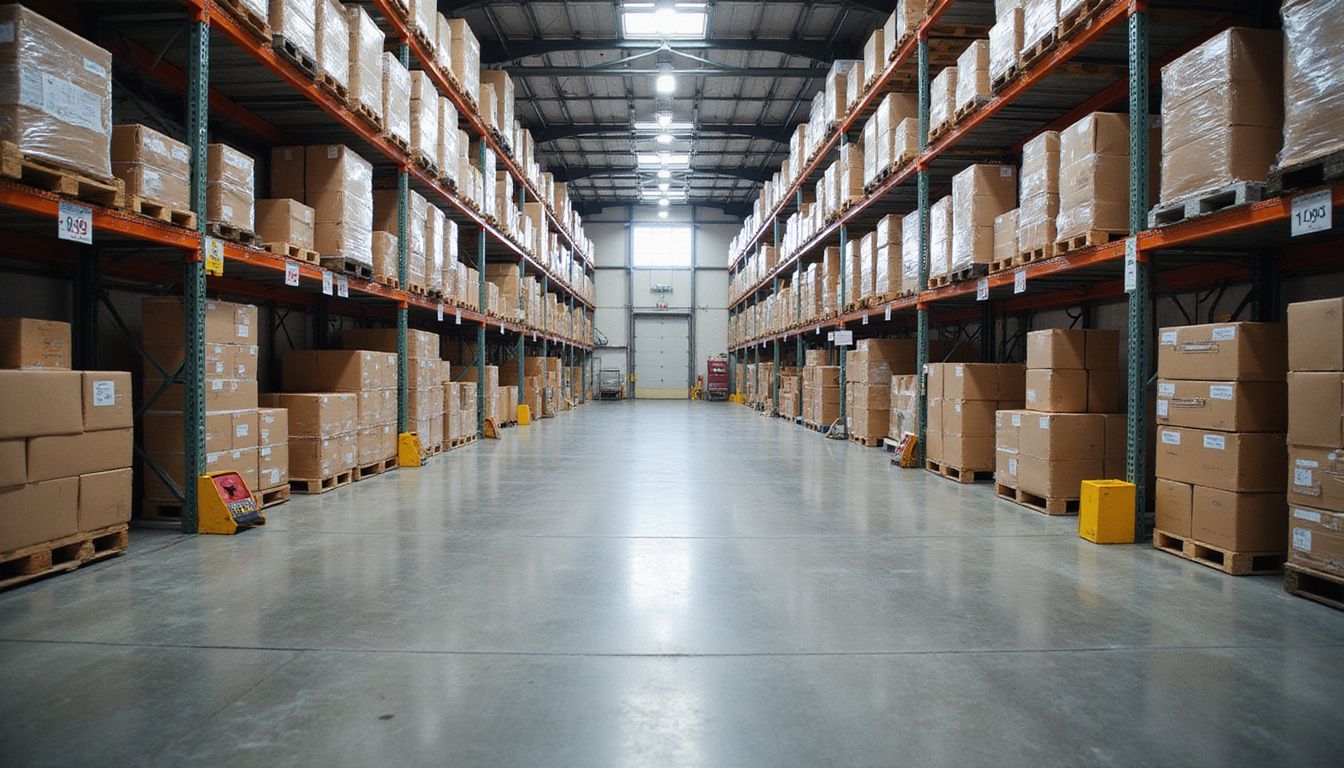
Implementing 6S brings many advantages to the workplace. It boosts productivity by making our environment more efficient and organized, while also improving health and safety for everyone.
Improved Workplace Efficiency and Productivity

6S brings clear benefits to our workplace efficiency and productivity. We experience better inventory management and smoother material handling in manufacturing settings. Workflow becomes streamlined, which helps us complete tasks faster.
Regular equipment maintenance also plays a big role; well-maintained machines work more effectively.
Our teams feel less stressed due to the organized environment created by 6S practices. Increased cooperation among employees leads to improved teamwork. For example, lights-out production and high-mix/low-volume manufacturing benefit from these efficiency gains, making everything run smoothly.
Each step we take with 6S helps create a safer workplace while boosting productivity levels significantly.
Enhanced Safety and Hazard Reduction
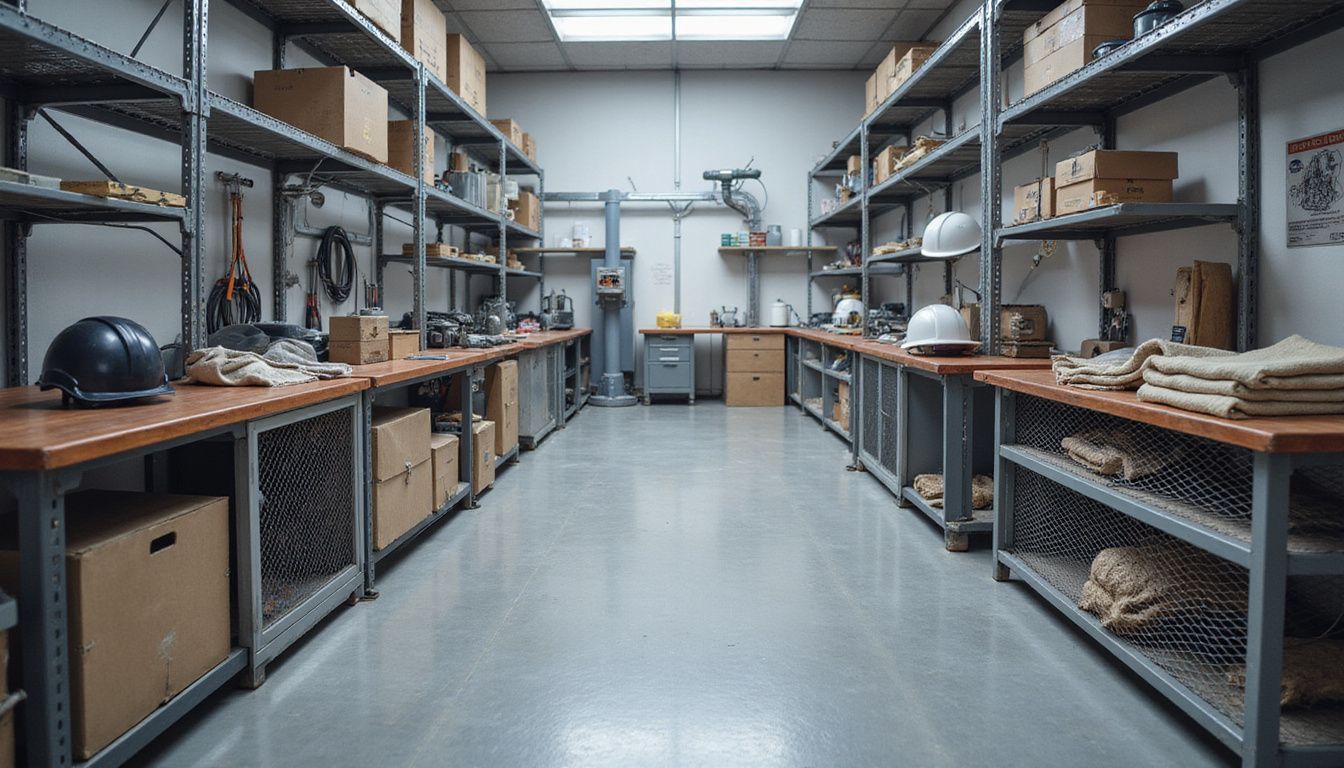
Improved efficiency opens the door to enhanced safety and hazard reduction. Implementing 6S helps us cut down on tripping hazards by removing cables and unnecessary items from our workspace.
By addressing hazards specific to each task, we ensure proper risk assessments and controls are set in place.
We regularly check and maintain personal protective equipment (PPE) for safety compliance. Regular audits using tools like checklists support ongoing improvements in safety measures.
Customizable safety checklists from platforms such as SafetyCulture assist us in staying compliant with industry standards, ultimately protecting our well-being as employees while reducing occupational health risks across various sectors.
Cost Savings Through Waste Reduction

We can save money by reducing waste in our workplace. First, 6S helps us sort items carefully. This process lets us remove broken or unused items, cutting unnecessary costs. Clean and organized work areas lead to less downtime and longer-lasting equipment.
Predictive maintenance plays a crucial role too. It prevents machine breakdowns that often mean costly repairs. Every little improvement counts in reducing accidents, which lowers insurance costs as well.
By focusing on waste management, we can see real savings while improving safety for everyone at work. Next, let’s explore the benefits of implementing 6S further!
Best Practices for Implementing 6S
Employee training is key in implementing 6S. Engaging everyone helps create a culture of safety and efficiency. Using checklists keeps tasks consistent and clear. Regular inspections ensure we stay on track with our goals.
This approach builds strong teamwork and enhances workplace well-being. We can improve as we follow these best practices, so let’s learn more about how to make 6S work for us!
Employee Training and Engagement

Training is key for our 6S success. We need to give employees the right tools and mindset. Interactive training works best. It keeps everyone engaged and makes learning fun. Toolbox talks help us discuss safety topics regularly.
Industry-specific safety training also plays a big role in getting everyone on board.
Feedback from staff helps improve our practices too. Engaged employees are more likely to stick with 6S over time. Team leaders support this by assigning tasks that encourage participation, while recognition boosts motivation further.
Using checklists can keep the process consistent, ensuring we stay focused on workplace improvement and employee well-being throughout our journey with 6S.
Using 6S Checklists for Consistency

Employee training and engagement help us establish a solid foundation for 6S. Using checklists is key to ensuring consistency in our efforts. Checklists guide us through each step of the 6S process.
They remind us to sort, set in order, shine, standardize, sustain, and prioritize safety.
Digital tools like SafetyCulture (iAuditor) make creating checklists easier. We can customize them for our specific needs. Visual management aids such as numbering and color-coding improve clarity.
Regular checklist use keeps only necessary items in our workspace. This practice supports industry compliance and documentation too.
Checklists also help reduce hazards by ensuring we manage toxic materials safely. With digitalization, we can update checklists in real time; this makes it efficient to track progress.
These steps support quality management while enhancing the well-being of employees across all areas of operations.
Performing Regular Audits
Regular audits are key to keeping our 6S standards strong. They show us how well we follow the rules. Audits happen on a set schedule, which helps maintain consistency. The results can tell us where we do well and where we need to improve.
Using audit checklists makes this process easier and clearer for everyone involved. We can track our findings using digital inspection software; this automates reporting and tracking.
Posting past audit results boosts accountability within the team, making sure everyone stays aware of their responsibilities. In high-risk industries, these audits become even more crucial for ensuring workplace safety and managing hazardous materials effectively.
Challenges in Implementing 6S and How to Overcome Them

Implementing 6S can present a few challenges. We often face resistance to change from our teams. This is common when people do not see the benefits right away. A lack of commitment from management can also hinder progress.
Insufficient resources make it hard to carry out the steps effectively.
To overcome these issues, we must promote employee engagement. Creating a culture of continuous improvement helps reduce resistance over time. Assigning a team leader for 6S ensures accountability and follow-up on tasks.
Cross-functional teams will help us tackle problems together, while using measurable KPIs keeps everyone focused and motivated in reaching operational excellence. Regular audits allow us to review our progress and adapt strategies as needed, making it easier to sustain improvements in workplace safety and productivity.
Conclusion

We recognize the value of 6S for safety and productivity. This method helps us create a tidy and safe workplace. By following the six steps, we can improve efficiency and reduce waste.
Training our team ensures these changes are lasting. Let’s commit to 6S, improving both our work environment and success!

Recent Posts

LET’S START WORK
TOGETHER
Please feel free to contact us. We will get back to you with 1-2 business days. Or just call us now.