
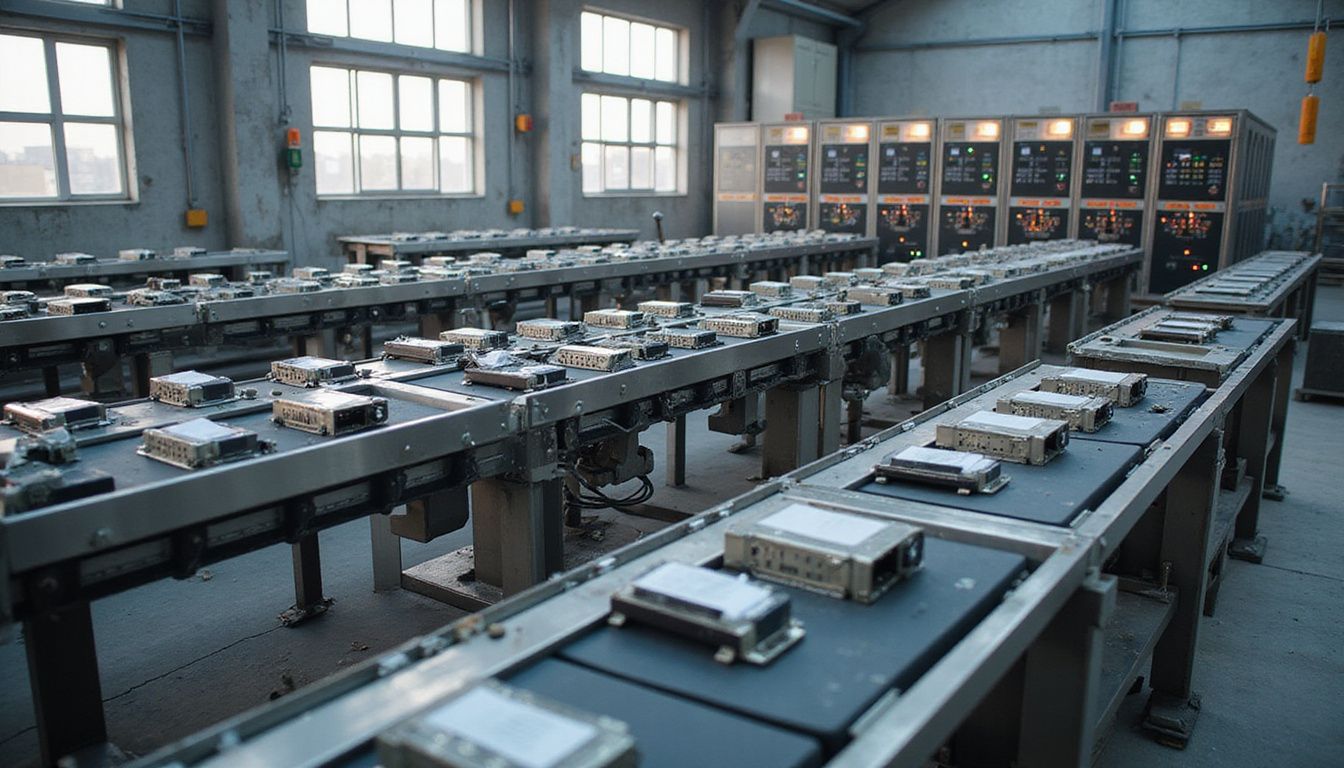
What Is BOM Traceability and Its Role in Manufacturing
If you find it hard to keep track of every part and change in your supply chain, you are not alone. Many teams face this challenge every day. We know that strong BOM traceability helps reduce costly errors and delays.
In this post, we will explain what BOM traceability means, how it works, and why it matters for product quality, regulatory compliance, and smooth production. Clear documentation and real-time integration can make manufacturing much easier.
Keep reading to see how your team can work faster and smarter with the right tools.
What Is BOM Traceability?

BOM traceability means tracking each part, material, or component in the bill of materials (BOM) throughout a product's life cycle. We use revision control and partnumber records to follow items from design through assembly, logistics, and even disposal.
With digital tools like enterprise resource planning (ERP), ENOVIA from Dassault Systèmes, and global supply chain systems, we see where every piece comes from—supplier details, batch numbers, and change history.
This process supports compliance with environmental regulations and keeps us ready for audits. It helps us meet industry certificates that require complete BOMs for each product version.
Real-time data lets us check chain of custody using cloud-based solutions or even blockchain technology for extra cybersecurity. For example, the digital twin solution connects our CAD models in Creo to actual products on the shop floor so we can validate configuration management easily.
Traceability gives manufacturers a clear map of every material’s journey—from supplier selection to recycling, says John Allen at National Telecommunications and Information Administration.
With tight traceability over packaging materials or technical specifications in boms across global supply chains, we automate waste reduction while supporting corporate social responsibility goals like sustainability or eco-friendly innovation.
This level of visibility cuts errors in purchase orders during just-in-time manufacturing routines.
Key Components of BOM Traceability

BOM traceability includes key parts that help track materials. Batch data gives us insight into product groups, while chain of custody tracks each step in handling materials. Real-time data integration keeps everything updated and visible for all involved.
These components work together to ensure accuracy and transparency throughout the supply chain.
Batch-level or Lot-level Data

Batch-level or lot-level data lets us track every group of materials, parts, or components from our suppliers as they move through each step of production. This tracking supports strong bills of material and helps with materials management in our product lifecycle management tools.
For example, we can see exactly which batch a piece came from if there are defects or recalls. In aerospace and healthcare, safety rules often demand lot traceability for patient safety and regulatory compliance.
Using QMS systems or BOM management software like Excel reports, we log this data with key documents such as Certificates of Compliance (CoC), First Article Inspection (FAI), and Production Part Approval Process (PPAP) forms.
Regulatory bodies want to audit these records during certification checks. Batch tracking cuts delays during supply chain audits and makes it easier to prove quality control standards were met.
We also support cost control by quickly pinpointing risks without halting the full production line. This process keeps us ready for closed-loop lifecycle management, life cycle assessment, sustainable practices adoption, and digital transformation goals across global supply chain management efforts.
Chain of Custody (CoC)

Chain of Custody, or CoC, tracks how materials, parts, and software move through each step of our supply chain. We use CoC records in our bills of materials to show where every part comes from, who handled it, and when it changed hands.
This process gives us strong supply chain visibility and supports our audit process. CoC is key for meeting rules in strict sectors, such as aerospace, defense, and medical devices.
Authorities often check CoC records to make sure we use safe and proven parts.
We store and manage CoC data in platforms like ENOVIA, so we have one source for compliance and due diligence. CoC helps us check the authenticity of materials and supports life cycle assessment.
Good CoC systems also aid in revision control and manage the lifecycles of our products. This approach builds trust with stakeholders and improves collaboration with suppliers, software developers, and third-party auditors.
It is essential for meeting corporate social responsibility (CSR) and environmental, social, and corporate governance goals.
Real-Time Data Integration

Real-time data integration builds on the chain of custody by keeping information fresh and up to date. This process allows us to update BOMs instantly. It supports agile manufacturing and quick decision-making.
Using cloud platforms, we can collaborate with engineers, suppliers, and stakeholders in real time. Digital BOMs cut down paper use and make our work more sustainable. We see improvements in quality control as real-time updates help us quickly spot problems and act fast.
“Real-time data makes all the difference in efficient manufacturing.”
Role of BOM Traceability in Manufacturing

BOM traceability plays a key role in manufacturing, as it helps us follow every part through the entire process. This ensures we meet regulations and maintain high standards. It also builds trust with our suppliers and customers by showing where materials come from.
Plus, it helps reduce risks by catching issues before they grow. Exploring BOM traceability can lead to better practices for all of us in the field.
Ensuring Regulatory Compliance

Regulatory compliance is crucial in manufacturing. BOMs help us document all materials and components used in our products. This supports compliance with key industry standards, like ISO 9001 and AS9100D.
We need accurate documentation for audits and certifications.
Batch-level data ensures we track every item closely. Chain of Custody (CoC) shows how materials move through the supply chain. These elements give us confidence during third-party audits.
Using tools like Dassault Systèmes’ ENOVIA helps keep our BOMs accurate. This accuracy supports due diligence and requests for evidence in quality control processes, especially in life sciences and healthcare settings where patient safety is vital to success.
Enhancing Supply Chain Transparency

BOM traceability boosts supply chain transparency. It helps us see what happens to materials, from start to finish. With cloud-based BOM management, we can share data in real time with suppliers and other partners.
This makes collaboration easier and speeds up our processes.
Chain of custody records keep track of where materials come from. Knowing the origin assures us that everything is authentic and meets our quality standards. Tracking these details also supports sustainability efforts as we can manage recycling and ensure environmental compliance better than before.
Improving Quality Control and Risk Mitigation

Effective quality control starts with clear specifications in our Bill of Materials (BOM). This helps us make consistent products. With batch-level data, we can quickly spot and fix issues.
Quality management software like DELMIAWORKS keeps our BOM accurate and reduces defects.
Risk mitigation is key for smooth operations. BOM traceability allows for fast responses to problems like recalls or supply chain disruptions. Using virtual twins helps us validate setups before production starts, cutting down on errors.
By tracking records closely, we gain early visibility into potential risks throughout the manufacturing lifecycle.
Benefits of BOM Traceability

BOM traceability helps us work better and faster in production. It improves teamwork among all parts of the supply chain, so we can solve problems quickly and keep customers happy.
Increased Operational Efficiency

BOM traceability helps us optimize production efficiency. It reduces material waste and enhances cost savings. Automated updates in systems like DELMIAWORKS streamline our manufacturing processes.
These tools assist us in managing materials better. As we standardize components and processes, we cut down lead times and inventory costs.
Real-time data keeps everyone on the same page. This collaboration reduces miscommunication and accelerates work between teams and suppliers. Digital management lowers paperwork, saving time and minimizing administrative tasks.
With accurate BOMs, we can estimate costs better; this prevents budget overruns while keeping track of expenses effectively. Efficient BOM traceability enhances how we manage spare parts in fields like industrial equipment too.
Better Collaboration Across Stakeholders

Clear communication is essential for us in manufacturing. With BOM traceability, we achieve better collaboration across teams. Cloud-based solutions allow real-time updates. This keeps everyone aligned, reducing errors.
BOM management software helps visualize data for all stakeholders. We can see changes made by different team members instantly. This ensures that specifications are clear and consistent, which enhances supplier management too.
As a result, our procurement process becomes smoother and more accurate. These tools improve how we work together on projects.
Conclusion

BOM traceability is vital in manufacturing. It helps us track materials and components effectively. This leads to better quality control and greater transparency in the supply chain.
By using accurate BOM data, we can improve decision-making and stay compliant with industry rules. In short, BOM traceability makes our processes smoother and more efficient, benefitting everyone involved in production.

Recent Posts

LET’S START WORK
TOGETHER
Please feel free to contact us. We will get back to you with 1-2 business days. Or just call us now.