
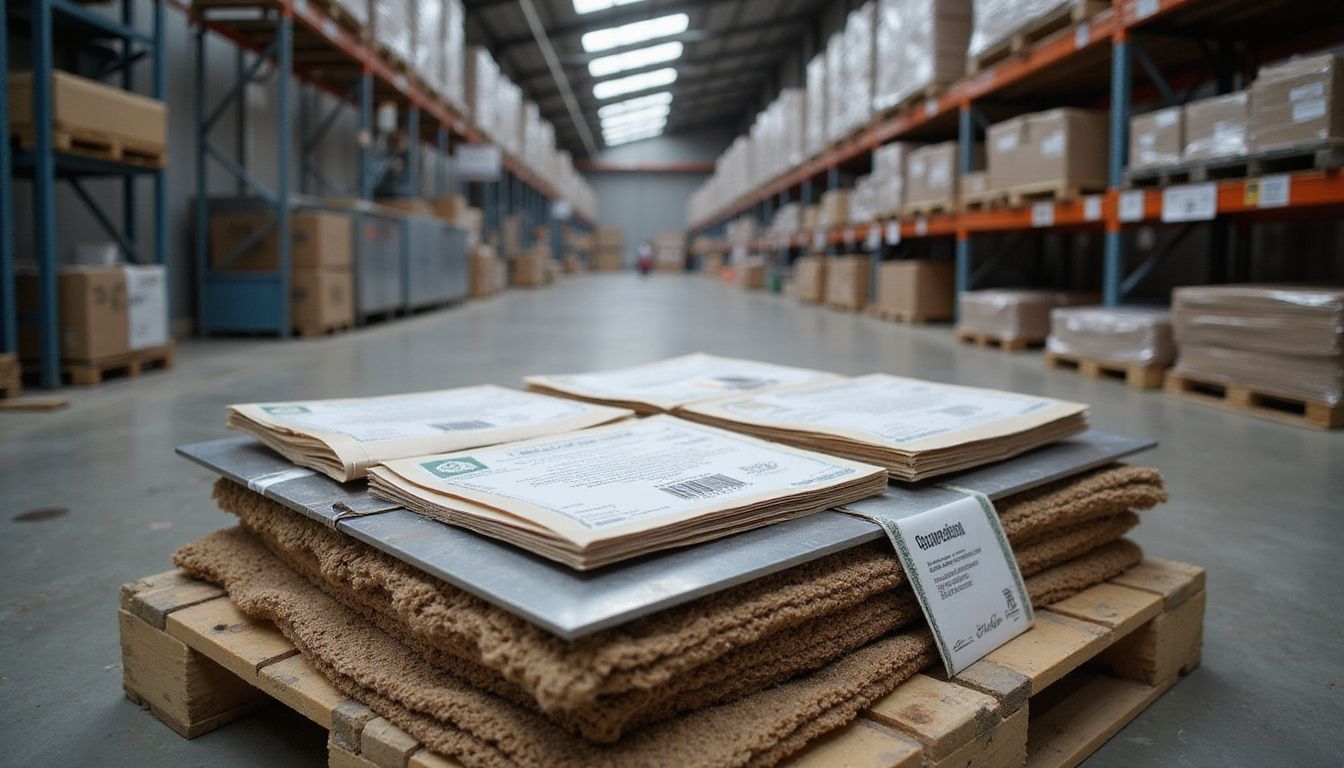
Guide to Material Certificates and Full Traceability Requirements
It can be hard to prove where your materials come from and if they meet strict standards, especially when supply chains get busy. Many people feel confused by all the paperwork and tracking.
We have seen challenges with material certification and full traceability in our own work. We learned that a strong traceability system helps catch problems early and speeds up product recalls if needed.
In this guide, we will walk you through how material certificates work, what full traceability means, and how the right supply chain systems make your manufacturing safer, better, and up to standard.
If you want simple ways to keep your process clear and reliable, keep reading.
Understanding Material Certificates

Material certificates are important documents for any project. They show that the materials meet specific standards and requirements. These certificates include key details like what the material is made from, its origin, and test results to ensure quality.
Understanding these elements helps us make better choices in our projects.
Types of material certificates

We often emphasize the relevance of material certificates in our field of work. They confirm that our materials adhere to the rigorous standards necessary for our projects.
- Certificate of Conformance (CoC): This certificate validates that a material or part complies with the required specifications and standards. It's like a guarantee from suppliers that what we're obtaining is of high quality. For instance, if we order Aluminum 6061 for machining parts, the CoC reassures us it's authentic.
- First Article Inspection (FAI) Report: This report is vital when we initiate a new project or engage a new supplier. It examines whether the initial production sample can satisfy our design requirements before we approve the entire batch. It's akin to conducting a trial run with materials to prevent unexpected outcomes.
- Production Part Approval Process (PPAP) Documents: These are significant in the automotive industry and other areas where part failures are unacceptable. PPAP documents ensure that all engineering design records and specs are met through an approved production process. It’s an exhaustive quality control process that spans everything from design to delivery.
- Test Reports: Occasionally, we require more than just a pledge that materials meet specifications – we need evidence. Test reports offer data on how materials performed under certain tests, like tensile strength or corrosion resistance.
- Material Safety Data Sheets (MSDS): Safety first isn't merely a slogan; it's our operational principle. MSDS share information about handling, toxicity, safety measures, and emergency procedures related to materials.
In our operations, possessing these certificates facilitates more effective discussions with suppliers. We can engage on specifics and hold them answerable as everything is documented. Whether it's confirming compliance with environmental regulations or ensuring fabrics meet our durability standards, these documents are essential tools in our work.
Key information included in material certificates

Material certificates show us the origin, type, and quality of raw materials like yarns, wool, or cotton. These records list production dates, locations, and the staff involved in making each batch.
We find batch or lot numbers, which help us achieve full traceability in supply chain management. Certificates also mention all manufacturing steps, such as CNC milling, turning, grinding, spinning, weaving, and dyeing.
Details like surface roughness, CMM data, optical checks, and finish certifications come included in the documentation pack. Inspection reports, First Article Inspection (FAI), and Production Part Approval Process (PPAP) results get attached for better quality management.
Industry compliance marks, including FDA, ISO 10993, AS9100D, and ISO 13485, show up on the documents to meet brand protection, sustainability in the fashion industry, and environmental, social, and governance (ESG) standards.
We see information about smart tools too, like IoT sensors, RFID tags, barcode systems, and analytics for data management and inventory control. Each certificate lists the purchase order and bill of material to link every step from spinning to packaging, supporting privacy and data protection.
This level of detail ensures product lifecycle management and helps us future-proof our processes against risks like greenwashing or supply chain gaps.
A strong materialcertification system protects brands and proves authenticity throughout clothing production.
Full Traceability Requirements
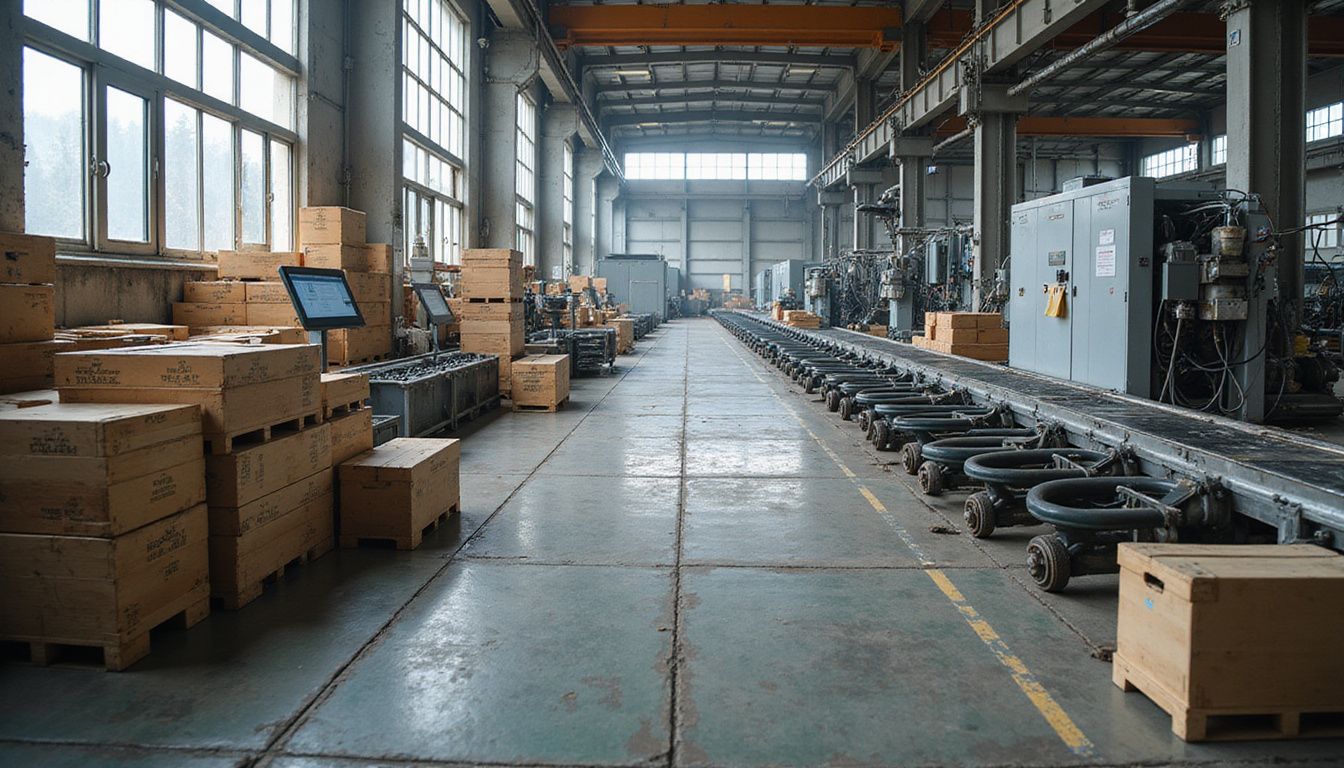
Full traceability means knowing where every part of a product comes from and how it was made. This process helps us ensure safety, quality, and compliance throughout the entire life cycle of our products.
Definition and purpose of full traceability
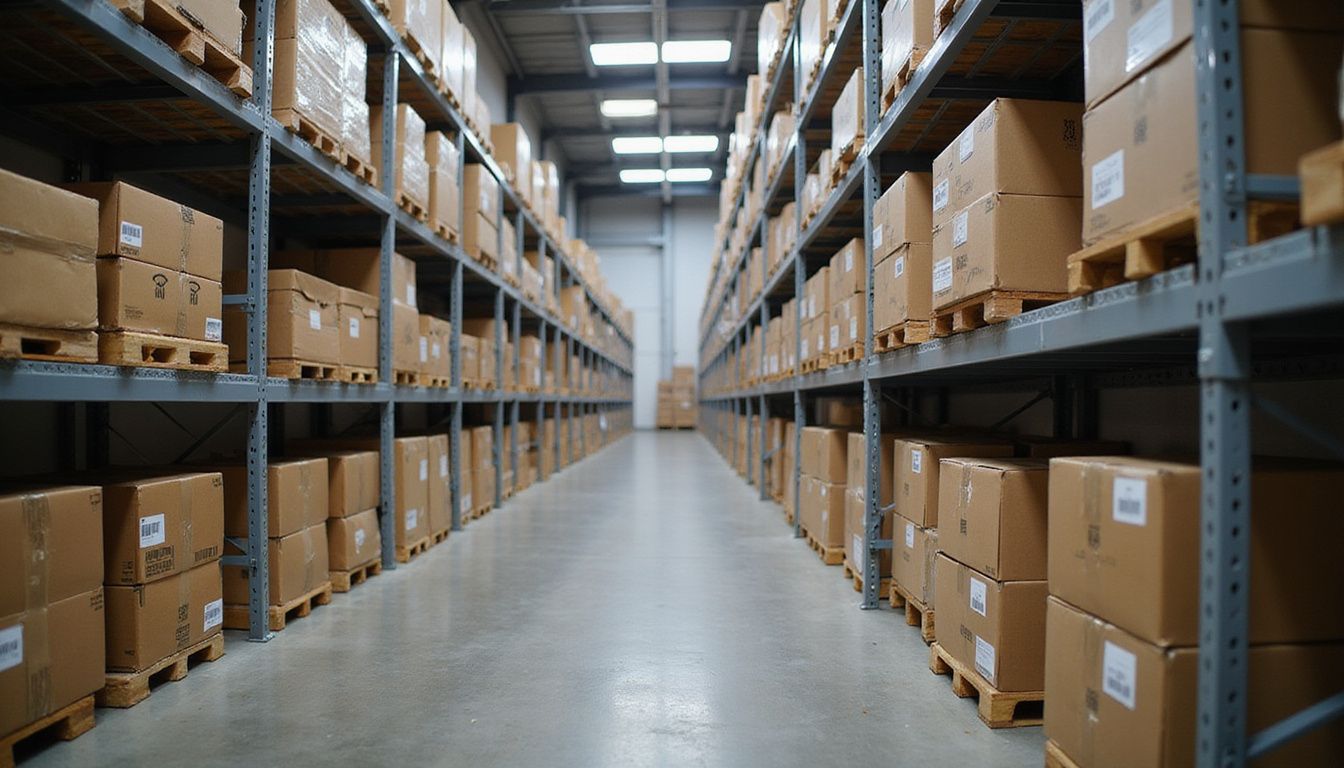
Traceability gives us the power to follow raw materials, parts, or garments through every step. We track each batch from its source, through production and logistics management, right up to the end user.
Barcodes, direct part marking, and user profiles help link physical goods with inspection reports and data in ERP systems. This makes it easy for us to spot errors fast if there is a recall or issue.
Our goal is clear: we want full transparency across the life cycle of products. Regulations like EU food laws and OIE animal guidelines demand this level of control. By using tools such as IoT sensors, blockchain technology, and enterprise resource planning software, we boost reliability and fight counterfeit products in our network.
Working together with all agents in the supply chain lets us make better decisions based on real facts rather than guesswork.
Components of a traceability system

A traceability system is essential for ensuring product quality. It enables us to track materials from start to finish. Here are the key components:
- Quality Data Capture: This involves collecting information at all production steps. We document when, where, and by whom products are made.
- Supplier Information: Keeping records of suppliers is vital. This helps us know the source of our materials, ensuring sustainable sourcing practices.
- Production Personnel Records: We maintain data about the workers involved in manufacturing. This adds accountability and boosts operational efficiency.
- Customer Data Integration: Knowing who receives our products is important. We link this data with supplier information for better traceability.
- Tracking Technology: Technologies like RFID help in monitoring product movement. These tools automate processes and enhance transparency.
- Documentation of Supply Chain Stages: Every step in the supply chain is documented, from raw material acquisition to finished goods delivery; this ensures full traceability.
- National and Regional Databases: Using national registries can help track certain products like small arms and light weapons, adding a layer of compliance in audits.
- Internal Source Integration: Combining external data with internal systems like IoT and robotics improves the quality management process.
- Reporting Systems: We need tools that generate inspection reports easily; these reports provide insight into product history and status at any point in time.
- User-Friendly Interfaces: Easy-to-use dashboards can improve usability for our team members while managing traceability data effectively.
These components work together to create a comprehensive traceability system that meets all necessary requirements and enhances quality control efforts.
Implementation of Traceability Systems
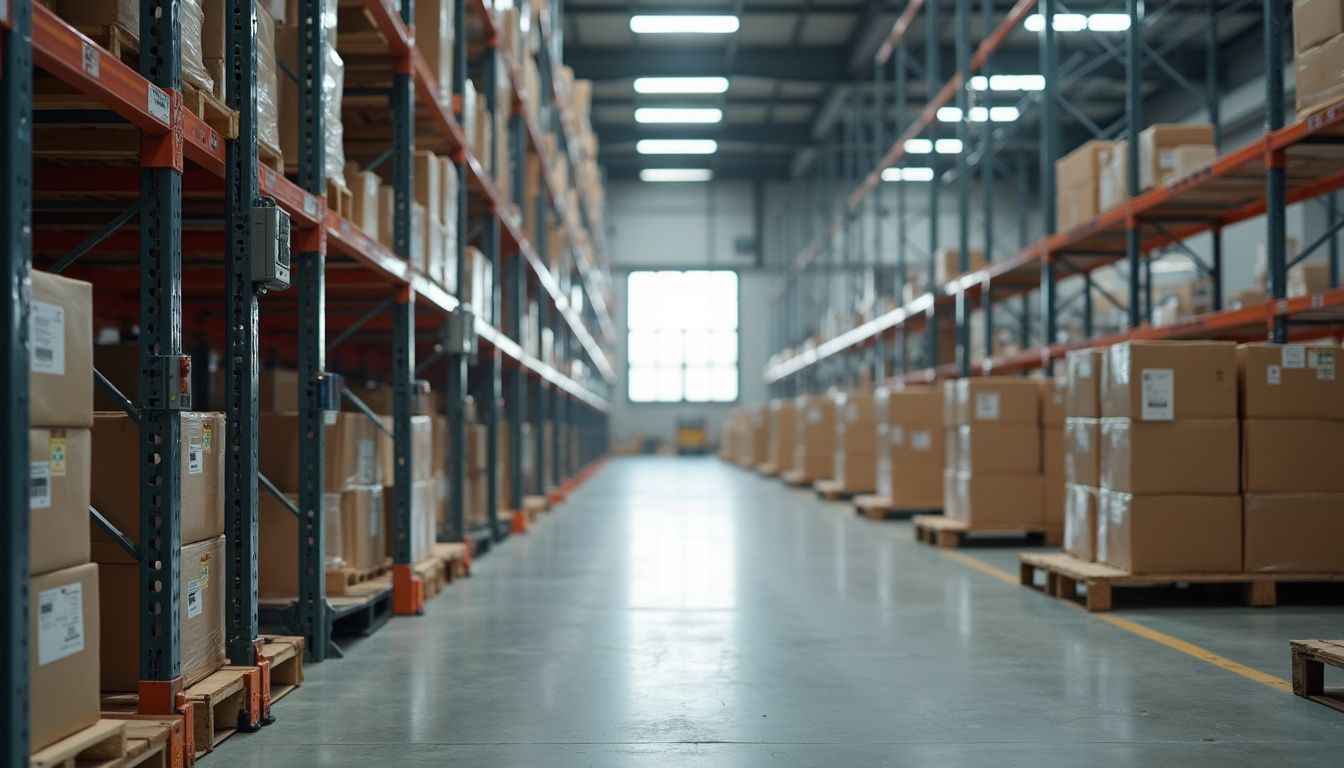
Implementing traceability systems requires careful planning and clear steps. We can use tools like barcode scanners and IoT devices to track materials in real time, ensuring we meet all requirements efficiently.
Steps to achieve full traceability
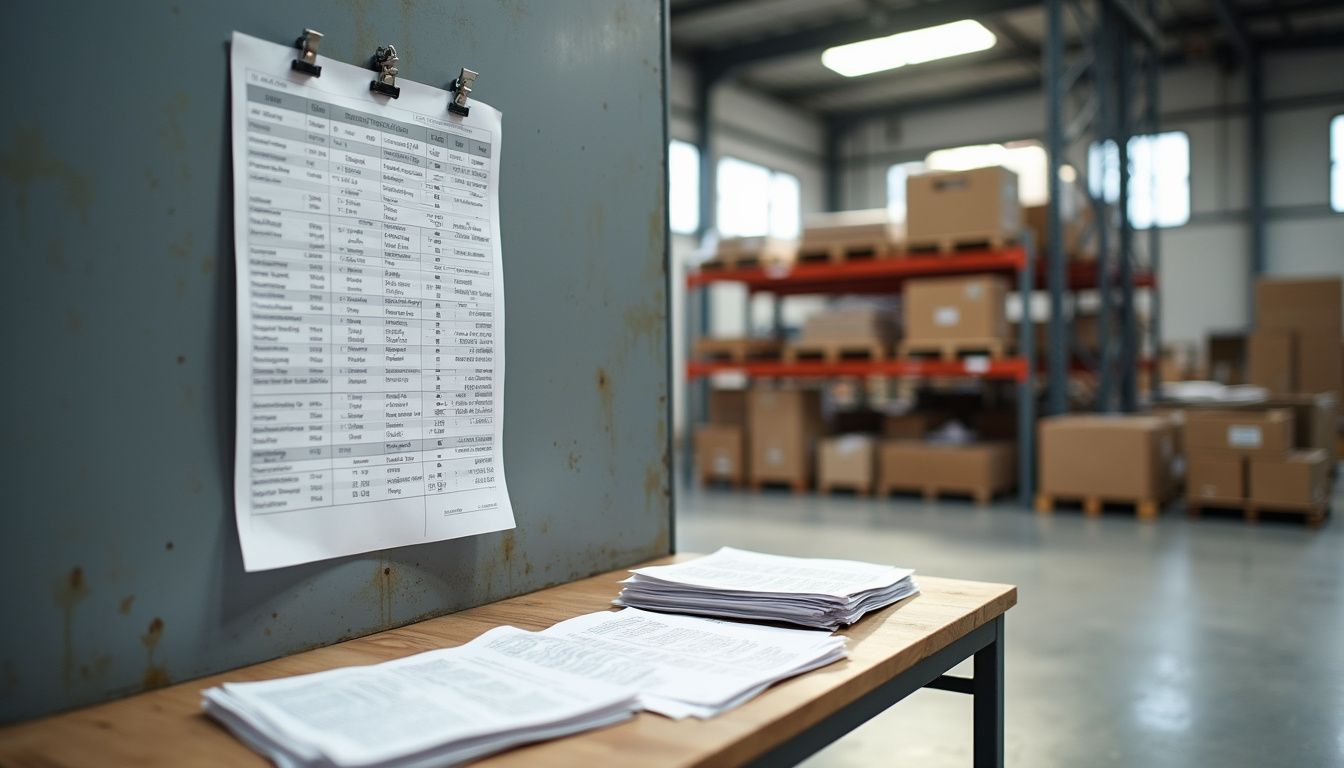
We need a clear plan to achieve full traceability. This helps us track materials and ensure product quality. Here are the steps we should follow:
- Draw the production line. This shows how each part of the process connects, from raw materials to final products.
- List recurring materials and suppliers. Identify which materials we use often and who supplies them.
- Identify all value chain suppliers. We must know everyone in our supply chain for tracing purposes.
- Classify suppliers by scope. Focus on high-risk areas first to enhance our traceability efforts.
- Gather supplier information. Collect details like certifications, inspection reports, and sustainability practices.
- Create a value chain logistics map. This visualizes the flow of products and information across our supply chain.
- Identify non-localized chain processes or parties. Pinpoint any gaps that might hinder traceability in our operations.
- Plan for the long term. Sustain quality and transparency through ongoing improvements in our traceability system.
Implementing these steps will help us manage quality better, meet compliance standards, and satisfy our customers effectively in today's world of manufacturing.
Technologies used for traceability
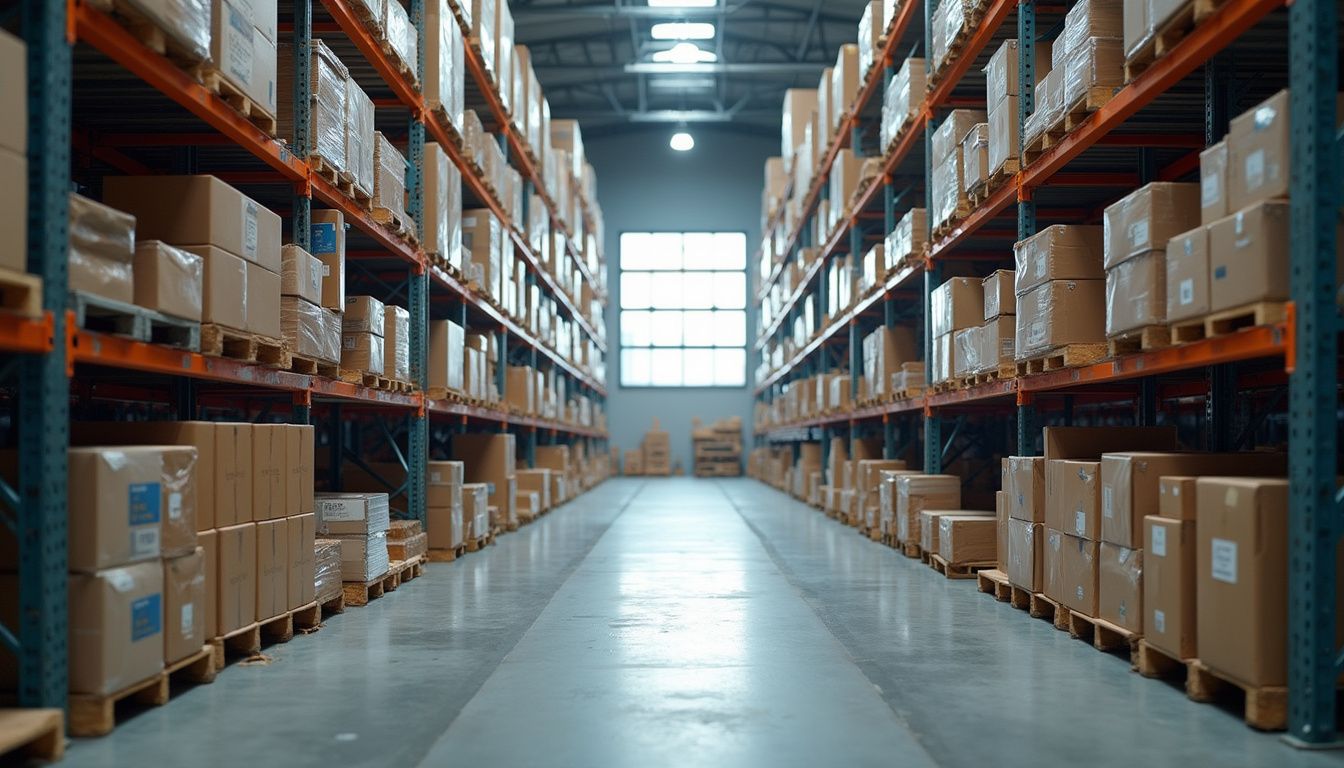
RFID, or Radio Frequency Identification, plays a big role in traceability. It helps us track items through the supply chain easily. We use cloud computing to store and access this data from anywhere.
This makes monitoring simpler and faster.
Direct part marking is another useful tool. By using barcodes, we can prevent counterfeiting and boost traceability. IoT devices capture real-time data for better tracking of materials during production.
Robotics also aid in collecting information seamlessly. Traceability software supports our quality management efforts too. These tools are often necessary during audits or by law to ensure compliance with standards.
Benefits of Full Traceability

Full traceability helps us improve product quality. It builds trust with our customers and meets industry standards.
Improved quality management

We enhance quality management through effective traceability. This allows us to catch production errors early. By collecting all relevant data, we can monitor every step of our process.
We integrate external and internal data sources like IoT and robotics for better control.
Counterfeit prevention is another key benefit. Using direct part marking and barcodes helps us keep track of materials. Advanced traceability aids in operational efficiency too. It optimizes production and reduces waste, which leads to improved product quality.
Consistent quality builds customer confidence, which is vital for our success in industries like automotive or food production.
Compliance and customer satisfaction
Compliance with traceability requirements boosts customer satisfaction. We meet legal standards, like EU food production and automotive rules. This gives our customers assurance about product quality and safety.
Traceability helps us manage materials better. It shows we care about how products are made, which builds trust with clients. Many of them expect transparency from manufacturers today.
By providing complete traceability for our products, we show that we adhere to strict guidelines in the fashion industry and beyond. Next, let's explore common challenges in implementing traceability systems effectively.
Common Challenges in Traceability Implementation
Traceability implementation faces many challenges. Globalization makes production complex, which adds to the difficulty we face. In regions like Kivus and Maniema, a lack of traceability systems has led to declines in production and exports since April 1, 2011.
Rising transport costs and container imbalances hurt our textile supply chains too.
Limited visibility in the supply chain stops us from seeing social and environmental impacts clearly. The fashion supply chain can have over 30 processes with multiple actors involved; this makes it hard for us to remain transparent.
New project teams struggle without proper traceability documentation, as noted by Coteba’s assistant director. Tackling these issues will be key for better traceability systems moving forward.
Conclusion
We hope this guide helps you understand material certificates and full traceability requirements. These tools are key in ensuring product quality and safety. Our journey through these concepts shows how vital they are in manufacturing.
With strong traceability systems, we can improve processes and meet customer needs more effectively. Let's embrace these practices for a better future in our projects!


Recent Posts

LET’S START WORK
TOGETHER
Please feel free to contact us. We will get back to you with 1-2 business days. Or just call us now.