
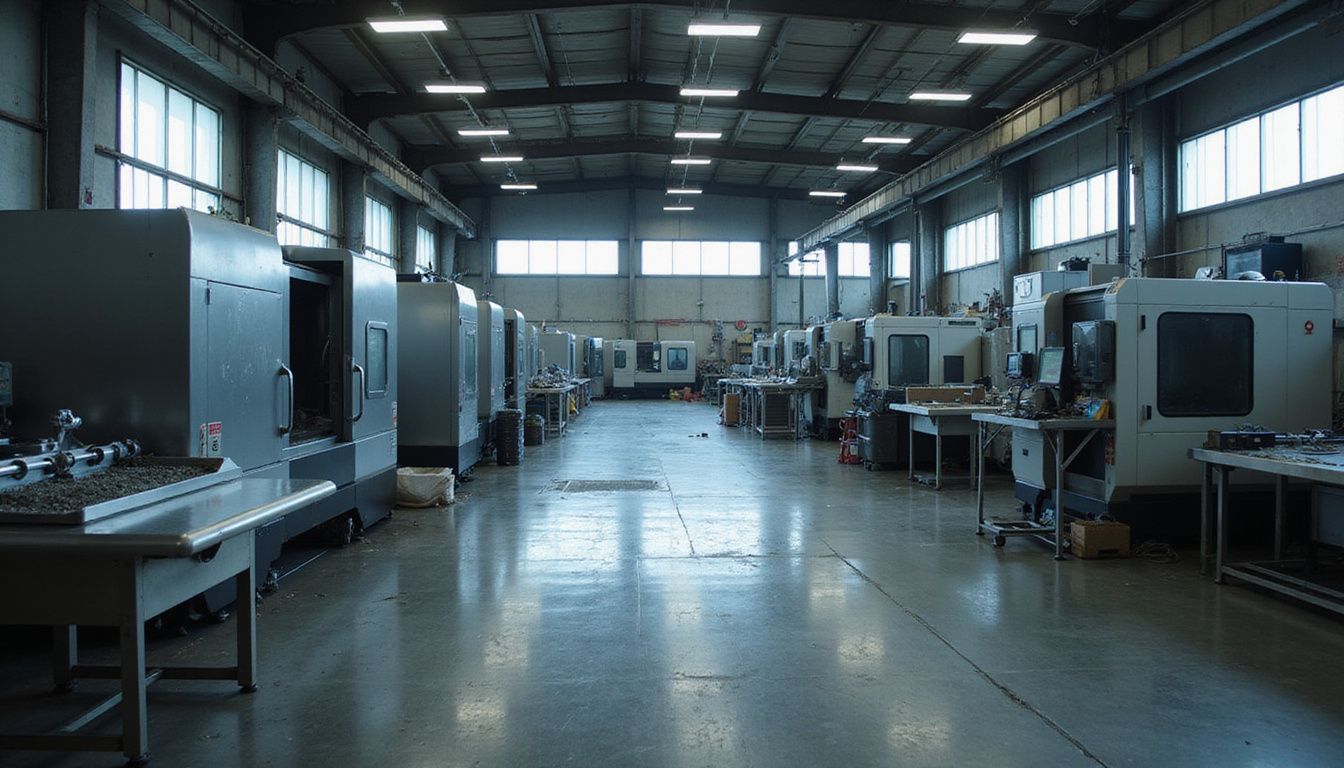
Guide to ISO 9001 in Modern Precision Machining Firms
Many of us struggle to keep our QC system strong while meeting strict machining demands. This challenge can feel overwhelming at times. Still, we are not alone. ISO 9001 is the most used quality management standard in more than 189 countries.
In this guide, we will break down how ISO 9001 helps boost continuous improvement and make your next management review easier. Stay with us. Even small changes can lead to big results.
Importance of ISO 9001 in Precision Machining Firms

ISO 9001 helps us prove our commitment to quality in every step of our CNC machining work. Accredited organizations issue this certification, showing that we care about strong QCsystem practices and clear delivery standards.
Our shop aligns with the ISO 9000 family’s seven principles, so customer focus and continuousimprovement become part of daily routines for our team. Precision machining needs tight tolerances, proper process control, and solid traceability—exactly what ISO 9001 demands.
We have seen firsthand how an effective managementreview boosts reliability across jobs for industries such as Aerospace & Defense or Medical Devices. “Clear documentation improves results,” said one supplier after seeing our process controls in action during a project with full FAI and PPAP requirements.
Every staff member gets training to keep output consistent, which means fewer mistakes make it out to clients. We also rely on these standards when building documentation packs or handling lot traceability for automotive or electronics customers; these steps support both product safety and trust within critical sectors like Energy & Industrial Equipment too.
Key Requirements of ISO 9001

ISO 9001 sets clear rules for a Quality Management System (QMS). It focuses on risk management and emphasizes a process-based approach to improve performance.
Quality Management System Framework
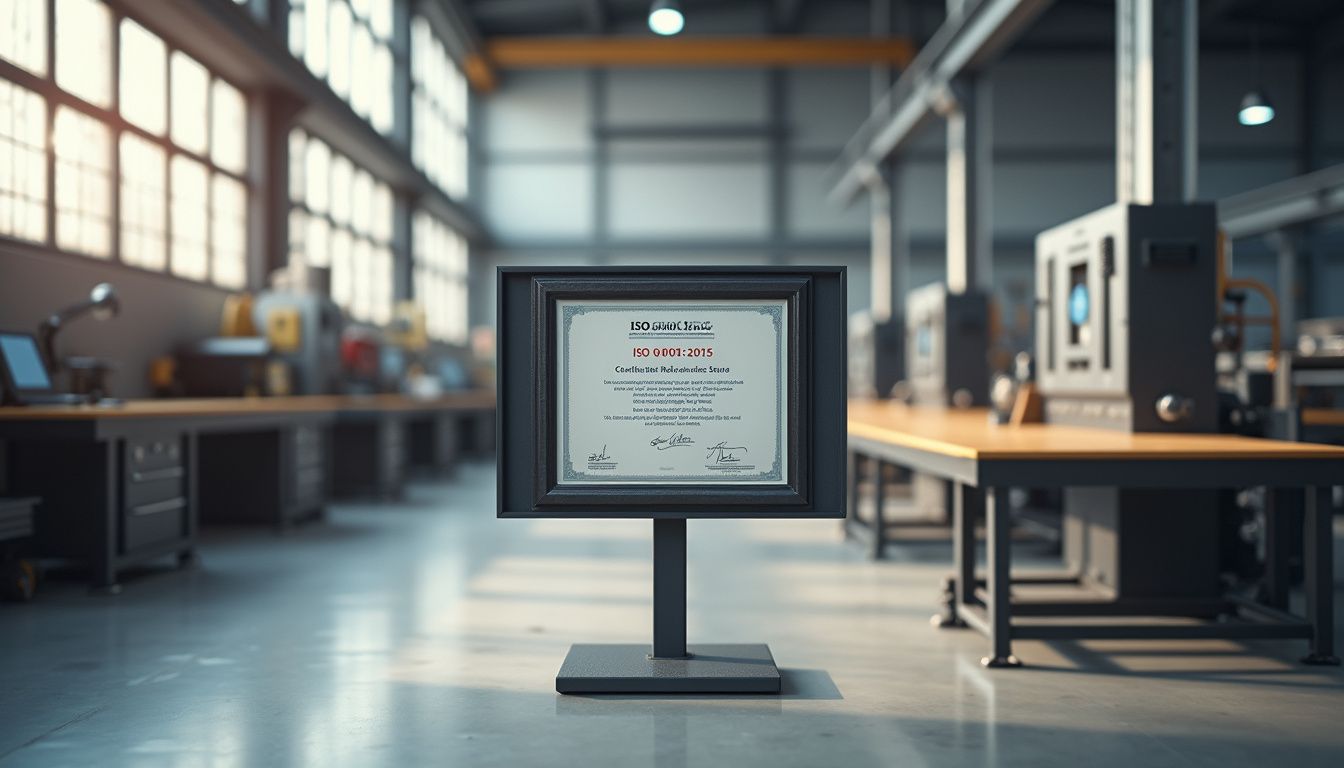
A solid Quality Management System, or QMS, sets the rules for how we work. We use the ISO 9001:2015 standard in our shop. It helps us manage every part of our machining process. The whole standard is under review and a new version will come out in September 2026.
After that, we will have a set time to update our systems, so we keep the right certification. Our certificates always say “certified to ISO 9001:2015,” showing exactly what rules we follow.
We use tools like the ISO 9001 Reader Wizard. It gives us fast access to rules and simple meanings of key terms, all in one spot. This makes it easier for us to explain rules during training or audits.
Highlighting important parts of this framework helps engineers on the floor keep key steps in mind. We take part in testing new ways to use these tools, making sure they fit real work scenarios.
As mechanical engineers, working with these frameworks means less guesswork and more focus on quality every day.
Risk-Based Thinking and Process Approach

Moving from building our quality management system, we apply risk-based thinking and a clear process approach every day. We map each step in our machining workflow using process diagrams and flowcharts.
This helps us plan and control all operations. We look for possible risks before they turn into real problems. For example, we use Failure Mode and Effects Analysis (FMEA) to spot points where defects could enter the process.
ISO 9001:2015 asks us to do this as part of daily work, not just during audits.
In 2024, Amendment 1 to ISO 9001 links process planning to climate action. We now check how machine operations affect the environment. Our internal audits use checklists to review both risks and process flows.
If clients or independent bodies want to see how we manage these risks, they can request an audit anytime. The ISO 9001 Auditing Practices Group also gives us guidance on best practices for process control and risk review.
This approach helps us cut waste, save costs, and boost customer trust in every part we deliver.
Benefits of ISO 9001 Certification
 ISO 9001 certification brings real gains to precision machining firms. We see improved efficiency and stronger customer trust, which leads to higher satisfaction.
Enhanced Operational Efficiency
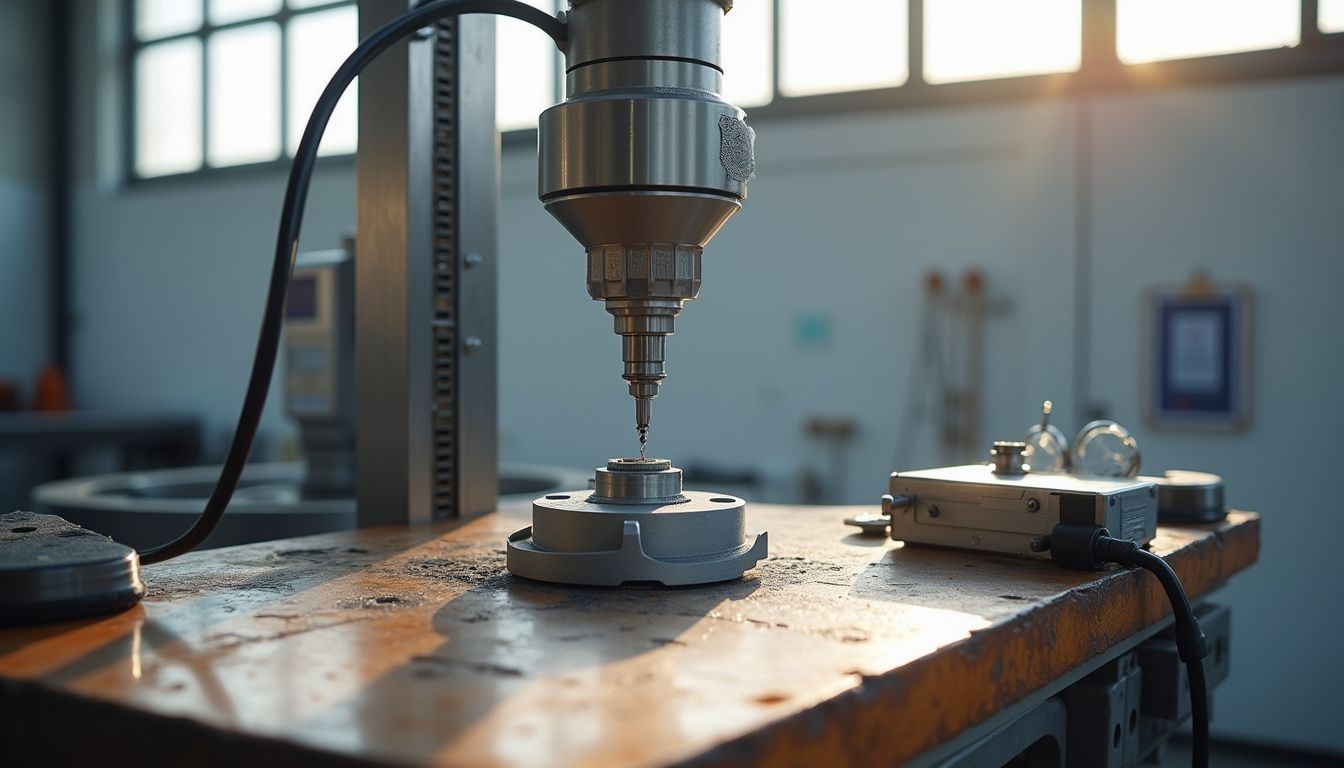
We see gains in operational efficiency through ISO 9001. This standard helps us find and fix problems in our processes, leading to cost savings for our firm. By using methods like lights-out production and rapid prototyping, we can work quicker and produce better results.
At Standard Machining, process control is key. It allows us to track every batch of materials used. Our inspection tools include CMM and optical measurement, ensuring high quality at every step.
Regular audits keep us in check; they help maintain standards while optimizing operations further. All these steps combine to make our workflow smoother and more effective.
Improved Customer Satisfaction

Improved customer satisfaction is key in our machining business. ISO 9001 helps us meet and exceed customer expectations. With this standard, we strengthen our processes. We focus on quality management and clear communication.
Resolving complaints faster boosts our customer's trust. They expect flawless parts that perform well in their applications. Our commitment to precise cuts, tight tolerances, and perfect finishes supports high satisfaction levels.
By keeping detailed records, we provide transparency that builds confidence with customers. Adhering to strict delivery timelines reinforces our reliability; satisfied customers are likely to return for more work with us!
Steps to Achieve ISO 9001 Certification

To get ISO 9001 certification, we start with gap analysis. This helps us find what we need to improve. Next, we conduct a process audit which shows where our systems stand.
After that, it’s time for implementation and training. We must train our team so everyone understands their roles in the quality management system.
Gap Analysis and Process Audit

We start the gap analysis by reviewing our current processes. We compare them to the requirements of ISO 9001. This includes looking at areas like leadership, planning, and operation.
Identifying where we fall short is key for improvement.
Internal audits help us spot any gaps in our quality management system. These audits ensure we meet standards effectively. We can seek help from independent bodies or invite client audits as part of our process audit.
The ISO 9001 Auditing Practices Group offers support through expert advice and resources like the ISO 9001 Reader Wizard; this tool helps us clarify important sections during our analysis and simplifies finding process gaps in the system we aim to improve upon.
Implementation and Employee Training

Effective processes are key for ISO 9001 implementation. We need to train our staff so they can deliver consistent quality. Employee training focuses on resource management, competence, and awareness.
It's important that everyone knows the ISO 9001 requirements well. This helps us follow quality management practices closely.
Our workforce is skilled in engineering and craftsmanship for mission-critical components. Training includes understanding documented process control and lot traceability. Continuous improvement principles are also part of our training program.
As we prepare for the upcoming revision of ISO 9001, additional training will be necessary to meet new requirements too.
Conclusion
ISO 9001 helps us improve quality in precision machining. We enhance our processes and boost customer satisfaction. By following its principles, we commit to excellence. Achieving certification shows our dedication to high standards, which is essential for success.
Let’s embrace ISO 9001 together and take our firm to new heights!

Recent Posts

LET’S START WORK
TOGETHER
Please feel free to contact us. We will get back to you with 1-2 business days. Or just call us now.