
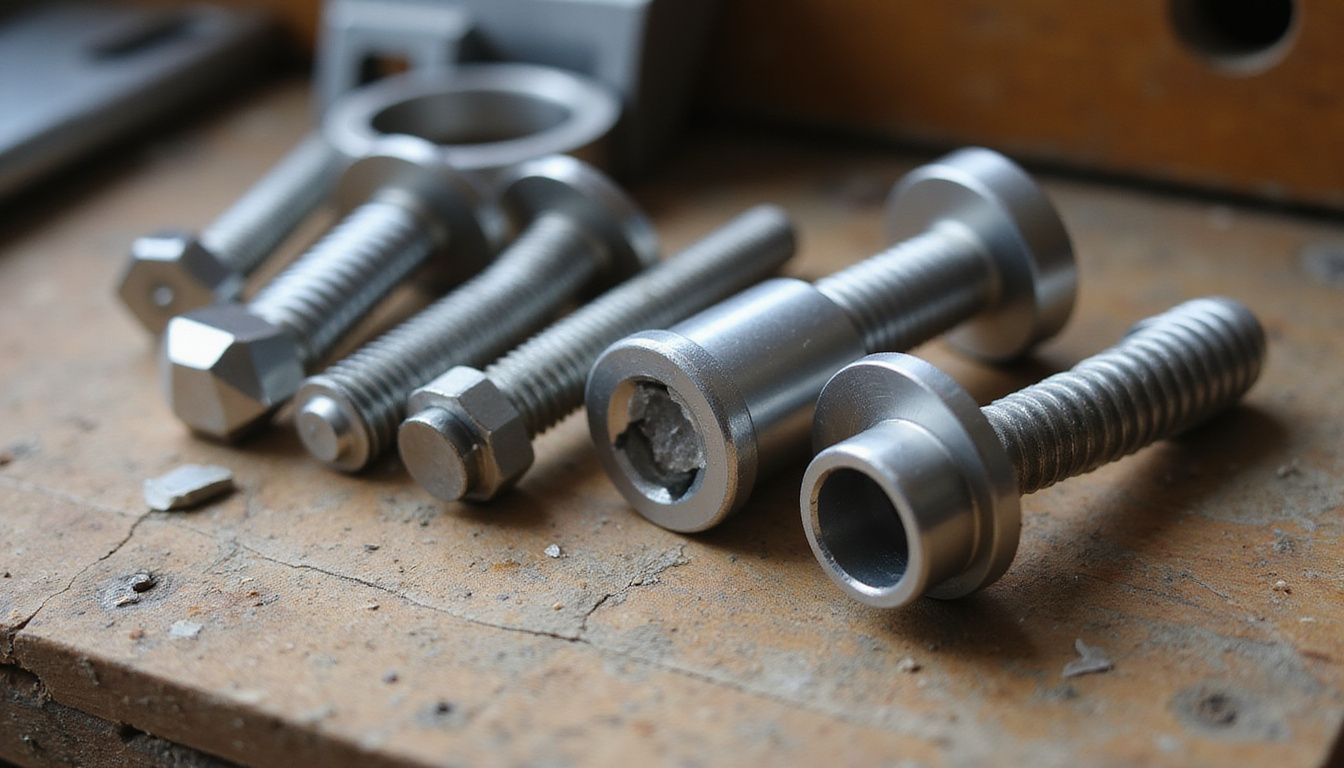
Key Benefits of Stainless Steel in Manufacturing
Stainless steel is a cornerstone of modern industry, valued for its durability and sleek finish. This guide explores the Key Benefits of Stainless Steel in Manufacturing to help you make informed material choices.
You will learn about its unique chemical properties, common industrial grades, and mechanical advantages. We also highlight why it remains a top choice for high-precision CNC machining and long-term cost savings.
What is Stainless Steel?
Stainless steel is a versatile iron-based alloy. It contains a minimum of 10.5% chromium. This specific composition creates a protective oxide layer. It prevents rust and structural degradation over time.
The Role of Chromium in Passivation
Chromium reacts with oxygen to form a "passive layer." This invisible film heals itself if scratched or damaged. It acts as a permanent shield against moisture and chemicals. This makes the metal exceptionally long-lasting in tough conditions.
Common Grades: 304 vs 316 Stainless Steel
Grade 304 is the most popular choice globally. It offers excellent value and good corrosion resistance. However, Grade 316 contains added molybdenum. This makes it superior for marine environments or chemical processing.
5 Main Benefits of Stainless Steel

Manufacturers choose this material for its diverse strengths. It balances aesthetics with heavy-duty performance. Below are the five primary reasons it dominates the global manufacturing market.
Superior Corrosion Resistance in Harsh Environments
Corrosion is the enemy of industrial longevity. Stainless steel thrives where carbon steel fails. It resists oxidation even when exposed to acids or salt spray. This reduces the need for expensive protective coatings or frequent replacements.
High Tensile Strength for Structural Integrity
This metal handles heavy loads and high pressure with ease. Its high strength-to-weight ratio allows for thinner material sections. You can design lighter parts without sacrificing safety or durability. It maintains its shape under extreme mechanical stress.
Thermal Stability and Heat Resistance
Many metals weaken or warp at high temperatures. Certain stainless steel grades retain high scaling resistance. They maintain their structural strength in furnaces or jet engines. This thermal stability ensures your components perform reliably in heat-intensive applications.
Hygienic Properties for Medical and Food Grades
The surface of stainless steel is non-porous. It does not harbor bacteria or pathogens easily. This makes it the gold standard for medical tools and food processing. It is easy to clean and withstands harsh sanitizing chemicals.
Ease of Fabrication and Precision Machining
Modern techniques allow for efficient shaping of stainless steel. Despite its toughness, it is highly adaptable. It supports complex designs required in aerospace and automotive sectors.
Optimized Machinability for Complex Geometries
CNC machining delivers high precision with this material. Advanced tooling handles its work-hardening tendencies effectively. You can achieve tight tolerances for intricate, custom-engineered components.
Welding and Forming Versatility
Stainless steel is excellent for various welding methods. It allows for strong, clean joints in complex assemblies. Its ductility also supports deep drawing and bending. This versatility streamlines the entire manufacturing workflow.
Why Choose Stainless Steel for CNC Machining?

CNC machining thrives on material consistency. Stainless steel provides uniform properties throughout the workpiece. This ensures predictable tool paths and high-quality surface finishes. It is ideal for parts requiring both strength and aesthetic appeal.
Long-Term Cost Efficiency and Sustainability
The initial cost may be higher than other metals. However, the lifecycle value is significantly better. It requires minimal maintenance and lasts for decades. Plus, stainless steel is 100% recyclable, supporting your green manufacturing goals.
Standard Machining’s Expert Stainless Steel Services
At Standard Machining, we specialize in high-precision CNC services. Our team understands the nuances of various stainless steel grades. We ensure your parts meet exact specifications with fast turnaround times. Let us help you optimize your next manufacturing project.
Conclusion
Stainless steel offers unmatched durability, hygiene, and strength. It is a premium choice for demanding industrial applications. Choosing the right grade ensures your project succeeds for years to come.
Looking for high-quality CNC machined parts? Contact Standard Machining today for a precision quote and expert manufacturing advice!
FAQs: Stainless Steel in Manufacturing
1. Is stainless steel harder to machine than aluminum?
Yes, it is generally tougher and work-hardens quickly. It requires slower speeds and specialized cutting tools. However, the result is a much stronger and more durable part.
2. Can all stainless steel grades be heat treated?
Not all of them. While 400 series steels can be hardened by heat, 300 series (like 304 and 316) cannot. They are typically strengthened through cold working processes.
3. Why is 316 more expensive than 304?
Grade 316 contains molybdenum, a costly alloying element. This addition provides superior resistance to chlorides and salts. It is the preferred choice for marine or pharmaceutical use.
4. Does stainless steel ever rust?
It can rust under extreme conditions. Exposure to high salinity or low oxygen can damage the passive layer. Choosing the correct grade for your environment prevents this issue.
5. Is stainless steel magnetic?
Austenitic grades like 304 and 316 are generally non-magnetic. Ferritic and martensitic grades are magnetic. This property depends on the specific crystalline structure of the alloy.

Recent Posts

LET’S START WORK
TOGETHER
Please feel free to contact us. We will get back to you with 1-2 business days. Or just call us now.