
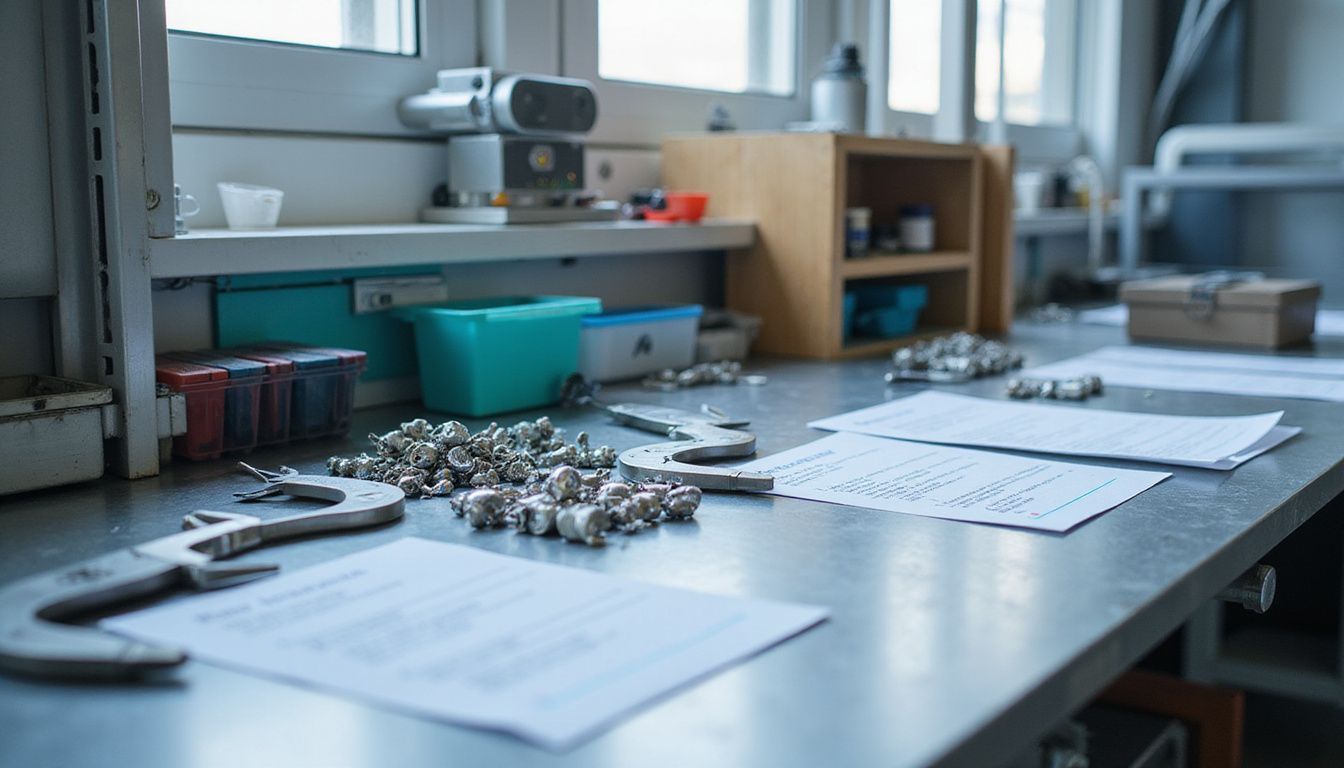
How to Apply Poka-Yoke in Precision Manufacturing
Mistakes in precision manufacturing can slow us down and hurt quality assurance. Many teams face these struggles, just like we do. We discovered that a Poka-Yoke system, a mistake-proofing tool from lean manufacturing, helps cut errors before they turn into bigger problems.
In this blog, we will share how Poka-Yoke methods, such as contact sensors and checklists, support error prevention, boost reliability, and make work easier for everyone. Follow along to learn the simple steps you need for better, safer results.
Key Principles of Poka-Yoke in Precision Manufacturing

Poka-Yoke helps us stop mistakes before they happen. It focuses on making things simple and clear in precision manufacturing. This method is all about prevention, not just finding errors after they occur.
Simple designs work best to make sure everyone can understand them easily.
Prevention vs Detection

We focus on two key poka yoke strategies, errorprevention and detection. Prevention stops defects before they happen. We use control approaches, like sensors in washing machines that halt if a door is open.
This method checks for errors at the root cause, using source inspection before a process step, cutting scrap and rework. Toyota Production System is famous for making prevention a habit, which builds qualityassurance and brand loyalty.
Detection helps us spot errors quickly if prevention is not possible. We use warning signals, like buzzers or lights in power outlets or ATMs, alerting staff without halting production.
Both successive inspection by the next worker and self-inspection help catch mistakes early. In our experience with warehouse management systems, motion-step poka yoke methods have helped flag missing barcodes on inventory using rfid checks before final shipment.
Choosing between errorprevention and detection depends on what suits our process best.
In manufacturing, prevention creates confidence; detection builds a safety net.
Now let us explore why simplicity in design matters for mistakeproofing and usability in precision manufacturing.
Simplicity in Design

Simple poka-yoke tools avoid extra features or steps, making them easier for employees to use on the shop floor. For example, in precision manufacturing, we can design a fixture with only one way to load parts, reducing errors without confusing workers.
Good poka-yoke devices sit close to likely mistakes and give instant feedback. An error-proof switch can stop an electrical appliance if the cover is not closed, just like modern dryers do.
This simple approach helps us cut costs since simple designs are cheaper to build and maintain.
Following Shingo’s principles from 1960s Japan, we stick with cost-effective solutions that act as 100 percent inspection points. Integrating these devices into cars or pill bottles shows how simplicity creates reliable outcomes while boosting customer loyalty.
We notice higher employee satisfaction when working with straightforward systems in logistics or ecommerce operations too. As decision-makers focused on operational excellence, we see how basic Poka-Yoke concepts optimize accuracy and productivity with minimal resistance to change among our teams.
We will now look at different types of poka-yoke methods used across many industries such as contact, fixed value, and motion-step techniques.
Types of Poka-Yoke Methods

Poka-Yoke methods help prevent mistakes in manufacturing. We can use contact, fixed value, and motion-step methods to ensure quality. Each method serves a special purpose in making our work easier and more reliable.
Understanding these techniques keeps errors at bay and boosts production efficiency.
Contact Method

Contact Method uses direct physical contact to spot mistakes or differences in parts, sizes, shapes, or even temperature. We use pressure sensors in many manufacturers' lines, where a sensor checks if a part is the right diameter.
For example, filing cabinets lock all drawers except one using a simple mechanism. This stops accidents and keeps users safe.
Electric eyes and proximity sensors work well for extra safety on electrical appliances like elevators. These sensors check if doors close with people inside or keep an elevator from running when overloaded.
In fuel tank assembly, custom fixtures touch each part to check it fits right before moving forward. "In carpet gap hider stations, our pokayoke clamp with vision sensor makes sure each label sits in the proper place," as our lead operator said last year.
Vision systems also inspect product features in real time during robot clipping and welding of household items, with dot marking for tracking parts through the process. Barcode readers can catch wrong labels before products reach customers in alcohol industry packaging lines—a step that boosts customer satisfaction according to our FMEA data from 2023.
We make use of switches that sense vibration, stopping incorrect assembly fast enough to avoid defects that could harm optimizations downstream. Each method above links straight back to the root causes found in data from Google Analytics and cause-and-effect studies across our daily manufacturing workflow.
Fixed Value Method

Fixed Value Method uses automated counters. These counters help us keep track of repetitions in tasks. For example, they ensure that the right number of components is used in each assembly.
We can also use grouping and counting methods to check weights or counts. This helps confirm we have correct quantities.
In insert molding cells, cooling stations help maintain pin heights within fixed tolerances. This method is especially useful for high-mix, low-volume manufacturing with frequent changeovers.
It reduces our reliance on memory and makes processes consistent and reliable. Next, we will explore the different types of Poka-Yoke methods available to enhance our precision manufacturing efforts.
Motion-Step Method

The Fixed Value Method leads us to the Motion-Step Method. This technique makes sure that each step in a process is done in order. It checks one step at a time before letting people move on to the next.
We use sequencing methods to verify needed operations are complete before progressing. Tools like M-Box help by giving operators access to the latest instructions and programs. This controls workflow steps effectively.
For instance, we can see this in robot clipping machines, which ensure all fasteners are installed correctly before moving ahead. Sensors or logic controllers often track these processes in real time, catching missed steps early and preventing small errors from becoming big problems later on.
Using source inspection confirms all preconditions are met too; only then does production start.
This method shines in automated systems where every action must follow strict rules for success and safety.
Steps to Implement Poka-Yoke

To use Poka-Yoke, we start by finding and studying errors in our process. Next, we choose the right method to fix these problems.
Identify and Analyze Errors

We start by creating a flowchart of the entire process. This helps us see where human errors may happen. We review each step carefully for any mistakes or defects. It is crucial to trace back the source of each error using tools like AMEF and Cause Effect Diagrams.
These methods show us how one mistake can lead to another.
Next, we analyze defect-related data. This includes looking at how often defects occur and noting machine failures. By prioritizing areas that need attention, we can make targeted improvements.
Classifying quality characteristics also helps us identify where errors might turn into defects down the line. Using real-time data from systems like M-Box boosts our ability to spot these issues quickly.
We work with cross-functional teams to ensure no stone is left unturned in our analysis efforts.
Select the Appropriate Poka-Yoke Method

Identifying errors is our first step. We need to analyze them closely. This helps us understand the nature of each error and its cause and effect on production. Once we know the errors, we can brainstorm methods to reduce or eliminate them.
We can use three main strategies: elimination, replacement, or facilitation.
Selecting the right Poka-Yoke method is crucial next. We consider factors like process requirements and the type of error involved. For instance, if a mistake often happens during assembly, a Contact Method might work best by ensuring parts fit properly.
If timing matters, we might choose a Fixed Value Method for steps that must occur in order. Testing this device before full implementation ensures it will help cut down defects effectively in precision manufacturing settings like ours; this leads smoothly into integrating it into our workflow for better efficiency.
Train Staff for Effective Implementation

Training staff is crucial for using Poka-Yoke effectively. We must teach them the purpose and operation of each device or system. This means explaining how to prevent errors and why detection matters.
Operators need to know what the error signals mean, whether they are warnings or control functions.
Visual aids help reinforce proper procedures. Standard work instructions can guide them in their tasks. Keeping training materials up-to-date is important too; this ensures everyone knows about changes in processes or technology.
Monitoring tools like M-Box provide real-time feedback, which we should also cover during training sessions. We encourage a culture where staff report errors and seek improvement continuously.
Follow-up evaluations will address any gaps in understanding or execution on the shop floor.
Benefits of Poka-Yoke in Precision Manufacturing

Poka-Yoke helps us reduce mistakes in precision manufacturing, boosting efficiency and saving costs. It cuts down on defects, which makes our products better. Plus, simpler designs make work easier for everyone involved.
If you want to know more about how Poka-Yoke can help your work processes, keep reading!
Reduced Defects and Errors

We lower defects and errors through Poka-Yoke mechanisms. These tools make it hard to mess up processes. Human mistakes cause many product defects, so we address them early to lessen their impact.
One defect can lead to returning an entire batch; this costs time and money.
High-safety industries need zero defects due to serious consequences. That's why we use real-time production monitoring systems like M-Box. They help us measure how well our Poka-Yoke methods reduce errors in manufacturing.
Regular checks ensure our efforts continue to cut down on mistakes and improve quality control in the long run. By adopting these strategies, we aim for 100% inspection, aligning with Shingo’s principles for excellence in production.
Improved Efficiency and Productivity

Poka-Yoke helps us improve efficiency and productivity in manufacturing. We can see decreased setup time due to better design choices. Reduced production time is another clear result of its use.
Automation in error detection cuts down on process downtime as well. With real-time feedback from tools like M-Box, we respond quickly to any problems that arise.
Simplicity plays a big role here too. Simple solutions do not depend on operator experience or memory, which raises our throughput. This allows for greater flexibility in our production lines, making it easier to manage different products with varying volumes.
Better process control even leads to lights-out production in CNC machining, simplifying operations further and enhancing operator attitudes at work.
Cost-Effectiveness

Cost-effectiveness is key in precision manufacturing. Implementing Poka-Yoke methods usually costs about 5% of total prevention costs. This small investment saves us from bigger problems down the line.
By preventing errors early, we cut quality control costs significantly.
Simple tools can reduce inspection needs. These devices help spot mistakes before they happen, saving time and money. Less rework means fewer warranty claims, which cuts expenses even further.
Shorter inspections lead to lower labor costs for quality checks too. The benefits multiply in industries needing strict documentation and traceability such as household appliances or mechanical engineering projects.
As a result, our customer satisfaction and loyalty grow with every defect we eliminate.
Next, let's explore the benefits of Poka-Yoke in precision manufacturing!
Conclusion

Poka-Yoke helps us make better products in precision manufacturing. It reduces mistakes and improves quality. By using simple methods, we can prevent errors before they happen. Training our team is key to success.
Let's embrace Poka-Yoke for a smoother production process and happier customers.

Recent Posts

LET’S START WORK
TOGETHER
Please feel free to contact us. We will get back to you with 1-2 business days. Or just call us now.