
Top 6 Ways to Reduce Setup Time in CNC Operations
Tired of waiting for CNC machines to finish long setups? You are not alone. Many face this problem, and our research shows that setup time often takes up a big part of the work. We want to help by sharing some simple tips that actually work.
Try using SMED, tool presetting, and fixture standardization to cut down your setup times and get more done.
These suggestions can help make your CNC jobs faster and smoother. Read on for easy steps you can start using today.
Measure and Analyze Current Setup Time

We observe each setup step in our CNC operations and record the time with a stopwatch. We track how long it takes to fetch tools, set up fixtures, and prepare materials. We measure the operator’s travel distance on the shop floor while collecting dies or accessories.
Long walking distances or time spent hunting for parts signal problems in toolpresetting or fixturestandardization.
Each setup gets its own recorded data point, including where we see delays or confusion. We create charts for each machine showing current setup times, target goals, and any kaizen improvement ideas suggested by operators.
These charts stay visible at every workstation to keep our focus sharp.
We leverage data analytics from recent months to spot trends that slow us down. This lets us optimize processes using lean manufacturing principles like Single-Minute Exchange of Dies (SMED).
Regular monitoring with process control measures helps us drive operational efficiency higher over time.
What gets measured gets improved—track every minute of your setup process if you want real results.
Implement SMED (Single-Minute Exchange of Dies) Techniques

We know how important it is to cut down setup time in CNC operations. Using SMED, or Single-Minute Exchange of Dies, techniques can make a big difference. Here's what we do to make setups faster and more efficient.
- We start by observing the current process closely. This helps us see where we can make changes.
- Identifying every step that happens while the machine is stopped is our next move. These are internal steps.
- We then find tasks that can be done while the machine runs; these are external steps.
- Our team prepares all tools and materials ahead of time, much like Formula One pit crews get ready for quick tire changes.
- Marking tools, dies, and bolts with color codes speeds up selection and placement.
- Orienting dies correctly before the changeover begins saves valuable minutes.
- We use a stopwatch to time how long each step takes. This helps us find slow spots.
- Working on several setup tasks at once, instead of one after another, keeps everyone moving.
- Regularly fine-tuning our approach lets us produce small batches without wasting time.
Next up, let's talk about standardizing work instructions for even smoother pre-setup preparation.https://www.youtube.com/watch?v=WOri3WW3nd0
Standardize Work Instructions and Pre-Setup Preparation
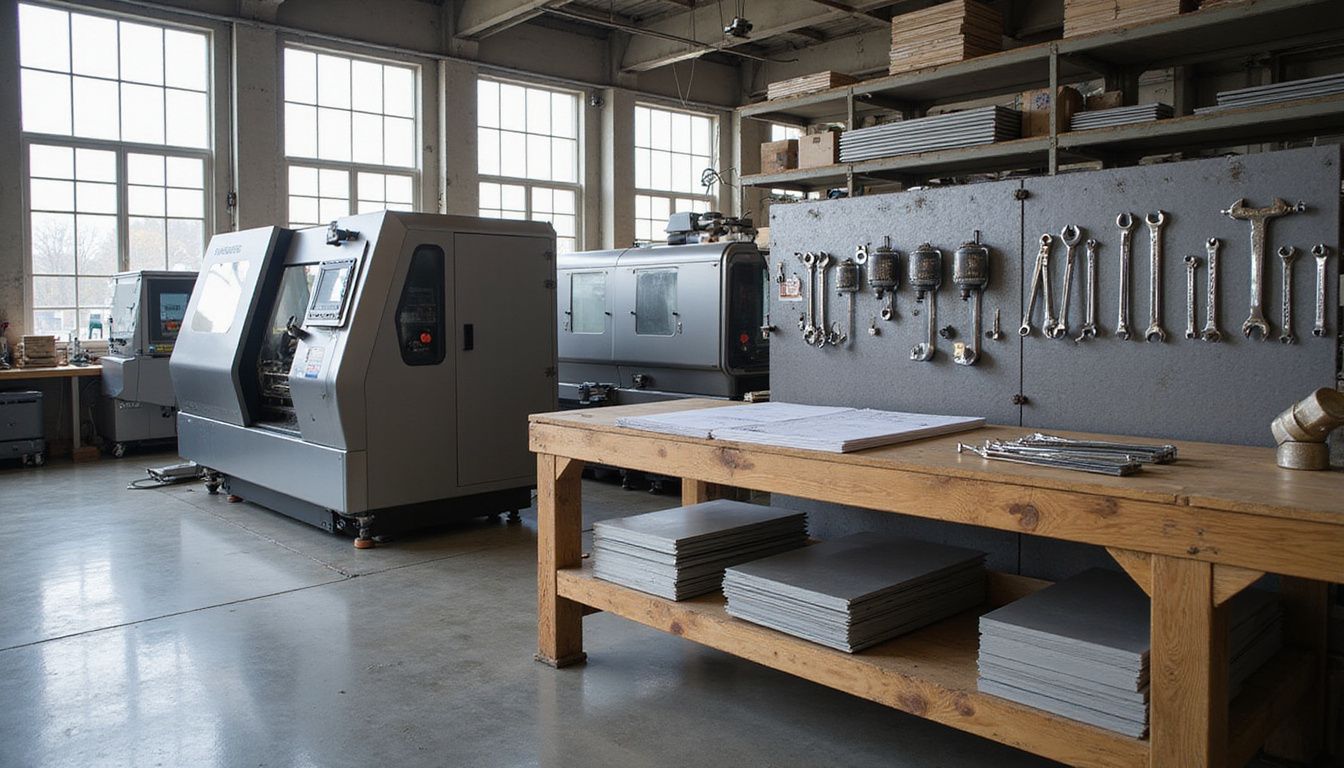
Having concentrated on SMED techniques, we subsequently shift our focus to the standardization of work directives and pre-setup arrangements. This stage is critical for effective CNC procedures.
- We formulate precise setup directions. This translates into documenting every necessary procedure to prime a machine. These procedures encompass tool switches, calibration, and modifications.
- Single-page setup cards are notably beneficial. Significant data and specifications are placed on these cards. They aid operators in recalling their tasks.
- The education of operators is essential. Adequately trained personnel are uniform in their operations and produce fewer errors during the setup process.
- Keeping an orderly environment is equally crucial. The Practical 5S methodology enables us to maintain a systematic environment.
- We ensure no operator squanders time in search of tools or information in the middle of setup.
- Setup cards and methodologies are exhibited alongside each machine. This facilitates easy access to instructions for every operator.
- We resort to certification programs, educational materials, and brief courses & study guides to provide operational training.
This method streamlines our CNC procedures, allowing for a quicker and smoother operation, thus enabling us to fulfill requirements without setbacks.https://www.youtube.com/watch?v=tkMjC7idr5M
Use Automation and Digital Tools for Setup Processes
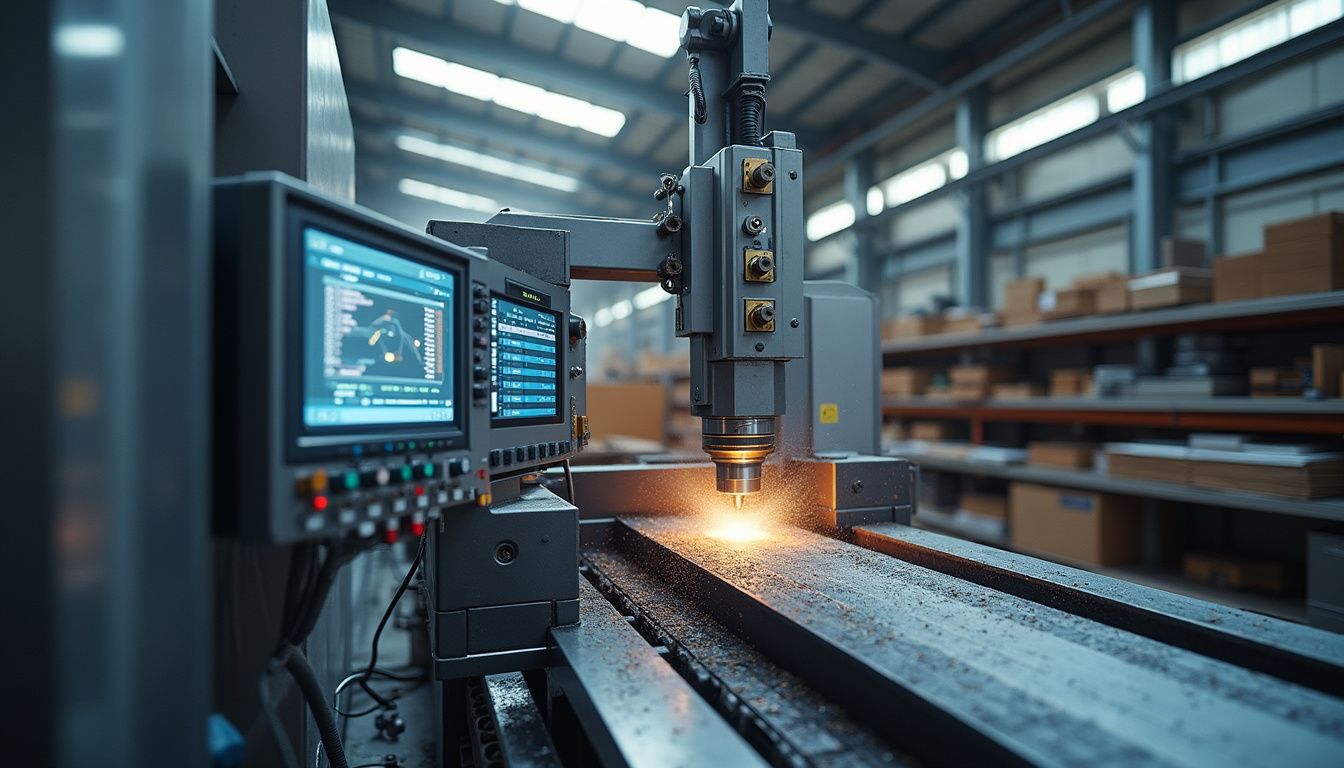
We can improve our setup time with automation and digital tools. Using setup wizards and electronic work instructions helps us streamline each process. Automated procedures reduce manual steps, so we make fewer errors.
This saves us both time and resources.
Investing in software like SPC-PC IV Explorer or QA-Calibrate enhances our operations. These tools help gather data and track setup times effectively. Automation supports rapid tool changes without extensive adjustments.
This means we can focus on quality management while improving productivity in CNC machining.
Automation speeds up processes while increasing reliability.
Next, we will examine how to train and cross-skill employees to support these efforts.
Train and Cross-Skill Employees
Training operators is key to reducing setup time. We focus on consistency and cutting errors during setups. Our employees take part in certification courses to expand their skills.
This way, they learn new techniques and improve their confidence.
Cross-skilling allows more operators to handle setups, which gives us flexibility. Weekly meetings help us share ideas and review our setup cards and practices. Employees feel empowered when they can suggest new ways to save time during the setup process.
Their involvement drives a culture of continuous improvement within our team. Next, we will look at how organizing tools and materials can further aid efficiency in CNC operations.
Organize and Optimize Tools, Materials, and Workstations
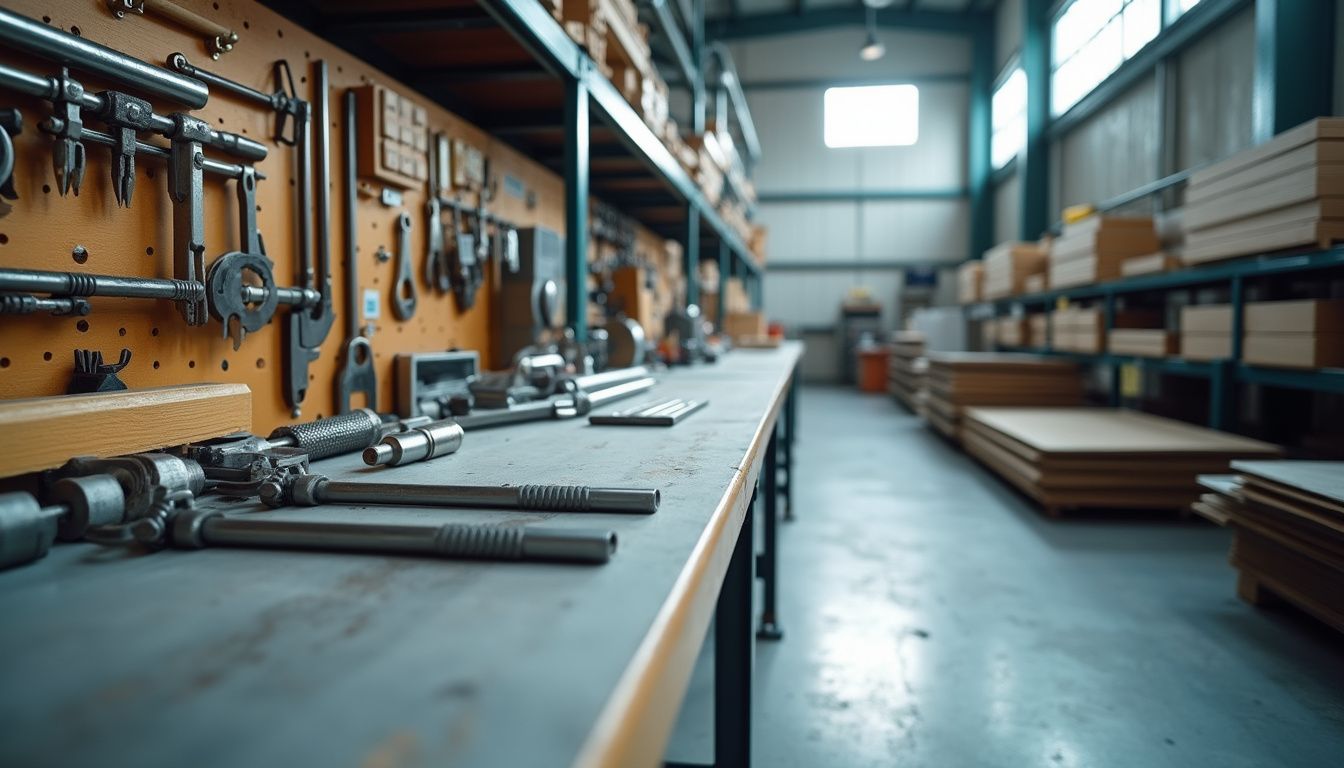
We need to organize our workstations well. This helps cut down on travel time during setups. We should arrange tools, equipment, and materials logically using 5S principles: Sort, Set in Order, Shine, Standardize, and Sustain.
Good housekeeping practices make a clean area that boosts efficiency.
It's vital to have everything ready before the setup starts. Preparing all materials in advance reduces machine idle time during changeovers. We can apply just-in-time inventory practices to keep supplies flowing smoothly.
A standardized organization allows us to find tools or information quickly, cutting unnecessary search time. Next, we will look at separating internal and external setup steps for greater efficiency.
Separate Internal and External Setup Steps
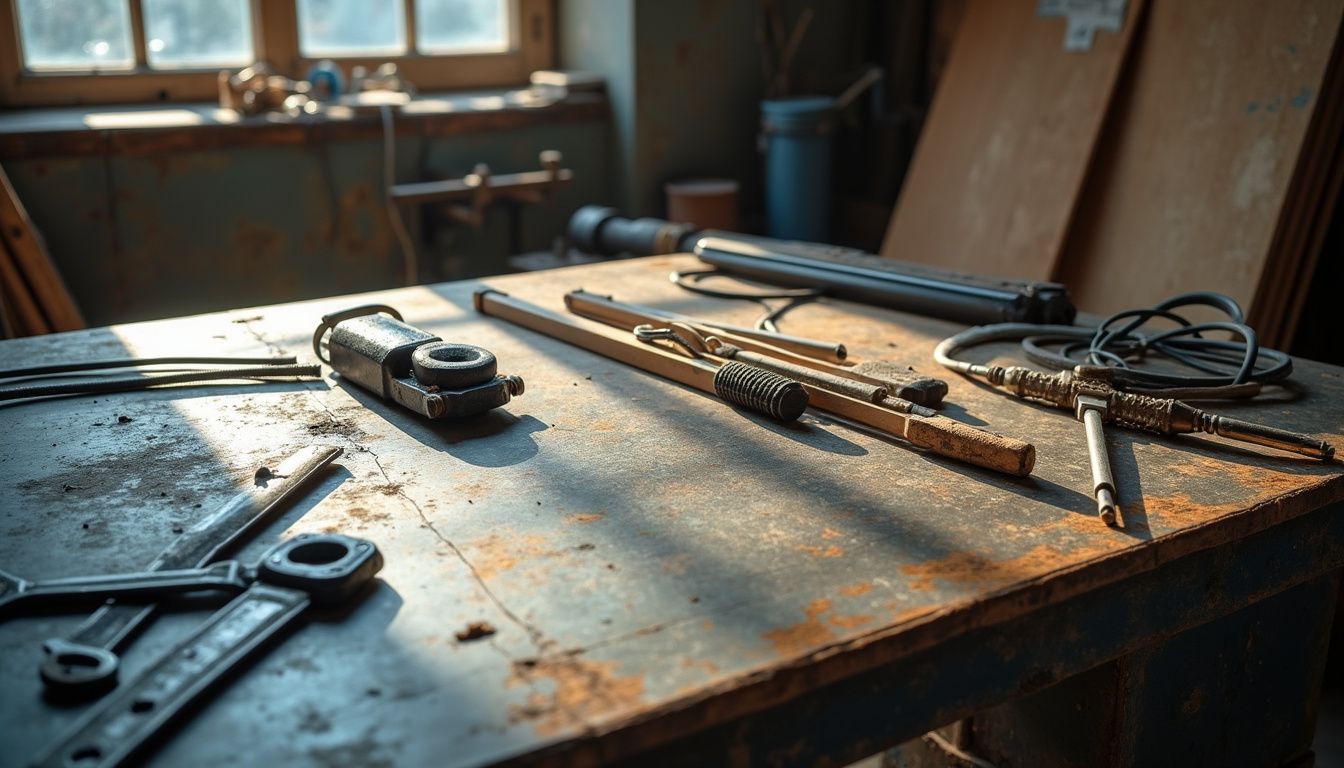
We find it essential to separate internal and external setup steps. This helps us reduce downtime and improve efficiency in CNC operations.
- Identify internal steps as those performed while the machine is stopped. These tasks often include changing tools or adjusting settings.
- Classify external steps as tasks we can complete while the machine operates. Examples include gathering tools and preparing materials for the next run.
- Use the Formula One pit stop analogy to guide our setup processes. Just like racers prepare before stopping, we should finish external tasks first to minimize internal ones.
- Schedule tool pre-staging to ensure everything is ready before machine downtime occurs. This reduces the time needed for internal setups significantly.
- Focus on minimizing internal setup items through lean techniques, which streamline our processes further. Less clutter means quicker actions when the machine needs to stop.
- Convert more internal steps into external ones where possible; this transformation is a key goal of SMED methodology.
- Create a clear checklist that distinguishes between these two types of steps, allowing everyone on our team to know what needs to be done ahead of time.
- Regularly review these lists to identify inefficiencies or areas for improvement in both setups, fostering continuous enhancement in our operations.
Following these steps helps us optimize our setup times effectively, leading to smoother CNC operations.
Reduce Internal Setup Time with Lean Techniques
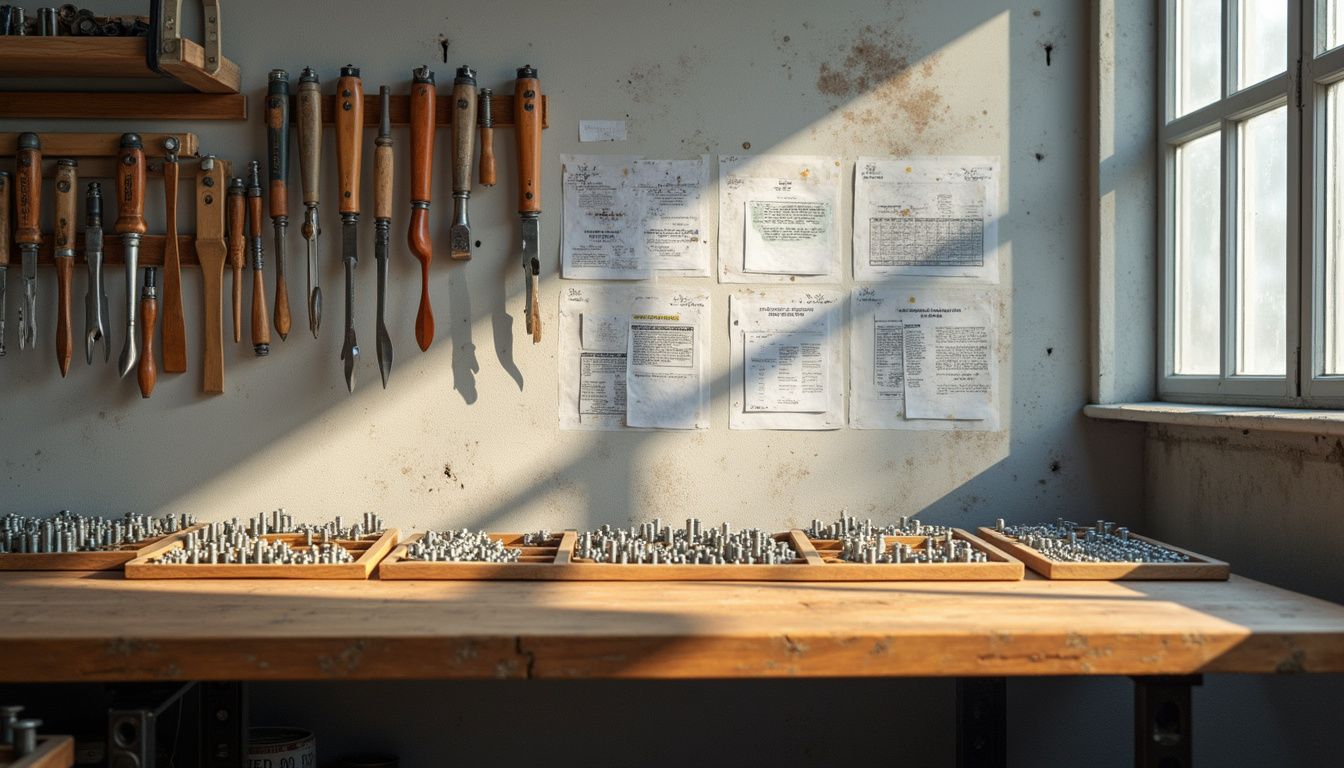
After we have separated internal and external setup steps, we must focus on reducing internal setup time using Lean techniques. These methods support efficiency and help us streamline our processes.
- Color coding bolts saves time. We quickly identify the right parts without searching.
- Marking die orientation helps with faster changes. This simple step avoids errors during setup.
- Start changeovers right after the last production run ends. This keeps machines running and cuts idle time.
- One-page setup cards reduce memory reliance. We reference these cards to speed up our actions.
- Use parallel setups for compatible tasks. Doing multiple tasks at once helps us save setup time.
- Lean techniques encourage continuous improvement. Weekly meetings allow us to discuss new ideas for reducing waste.
- Setup cards and charts monitor our progress. Tracking these details helps us spot areas for improvement.
- Implement preventive maintenance schedules to keep machines ready for quick changeovers. This reduces unexpected downtime.
- Create a clean workspace with organized tools and materials, which makes it easier to find what we need quickly.
- Practice "just-in-time" inventory strategies to keep only necessary parts on hand, limiting clutter and confusion during setups.
These methods empower us as Mechanical Design Engineers to optimize our CNC operations effectively, leading to enhanced equipment effectiveness and productivity in our work environment.
Integrate Industry 4. 0 Technologies
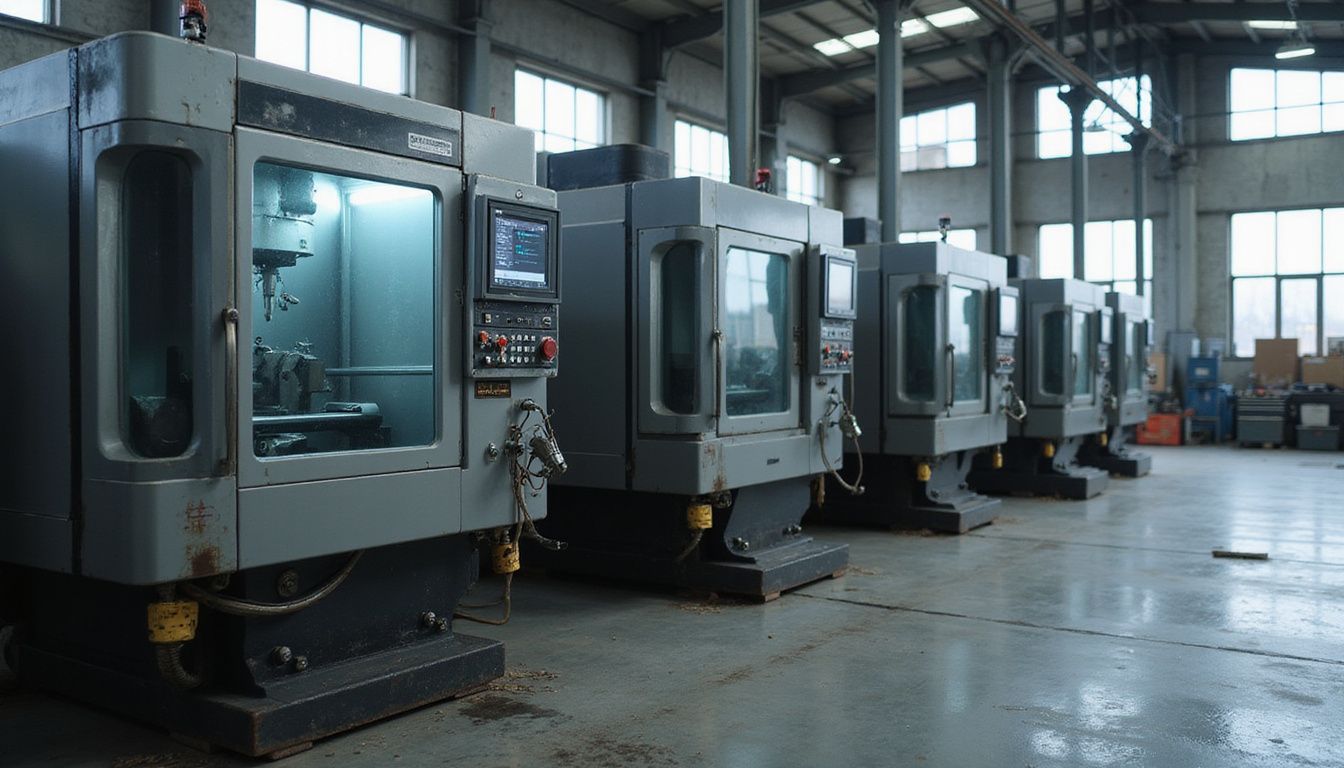
Integrating Industry 4.0 technologies can greatly improve CNC setup times. Tools like augmented reality and the Industrial Internet of Things (IIoT) help us see things clearly and make better choices.
They let us track our machines, gather data, and respond quickly to issues. This change leads to faster setups and less downtime. Interested in learning how these tools can boost your operations? Read on!
Augmented Reality and Expert Capture
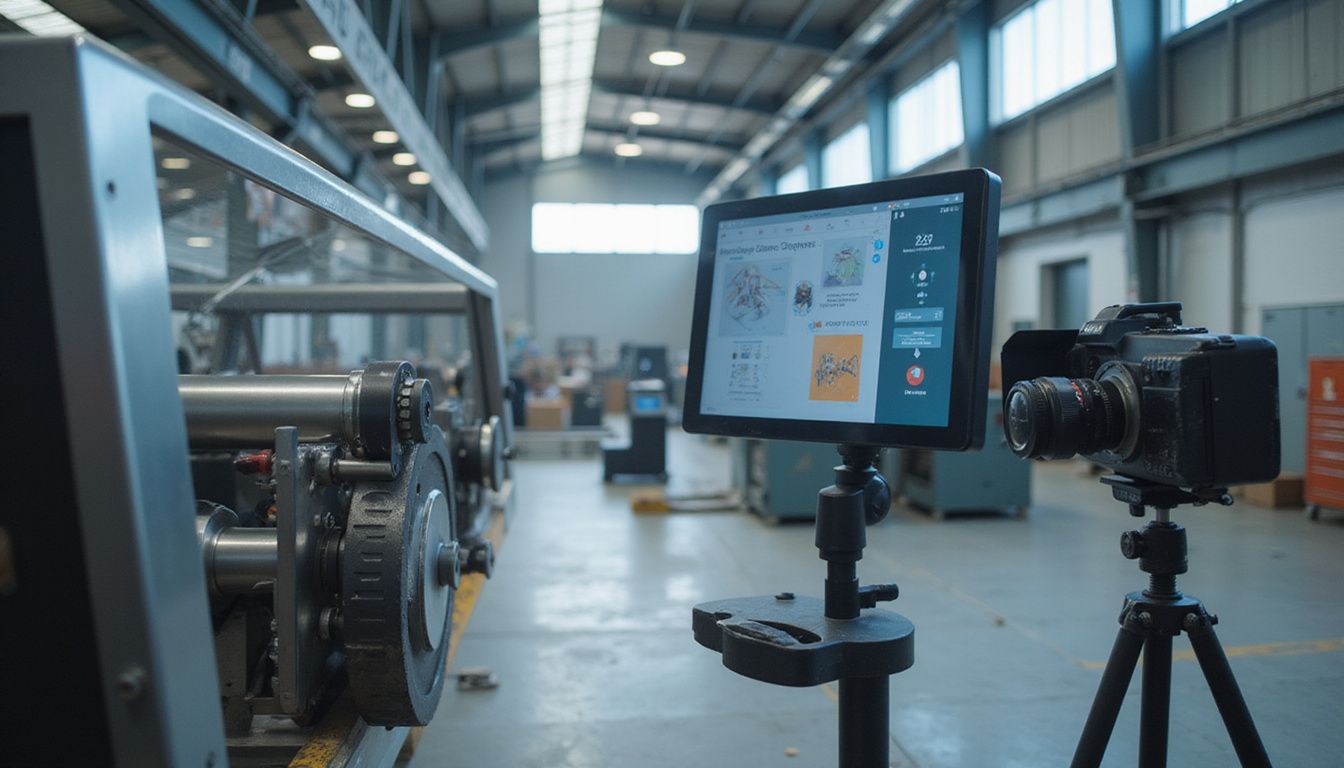
We can use augmented reality (AR) tools to help operators set up machines correctly. AR shows digital instructions right on the equipment. This makes it easier for everyone to follow steps in real time.
With these overlays, we can spot errors before they happen. Expert capture systems let us document best practices and share them easily. New employees benefit from this because they learn faster with visual guides.
These technologies also help standardize processes across different shifts. By using AR and expert capture together, we build stronger skills in our teams. We create a more capable workforce while reducing training time significantly.
The result is a smoother setup process that helps us improve efficiency in every job we do.
Industrial Internet of Things (I-IoT)
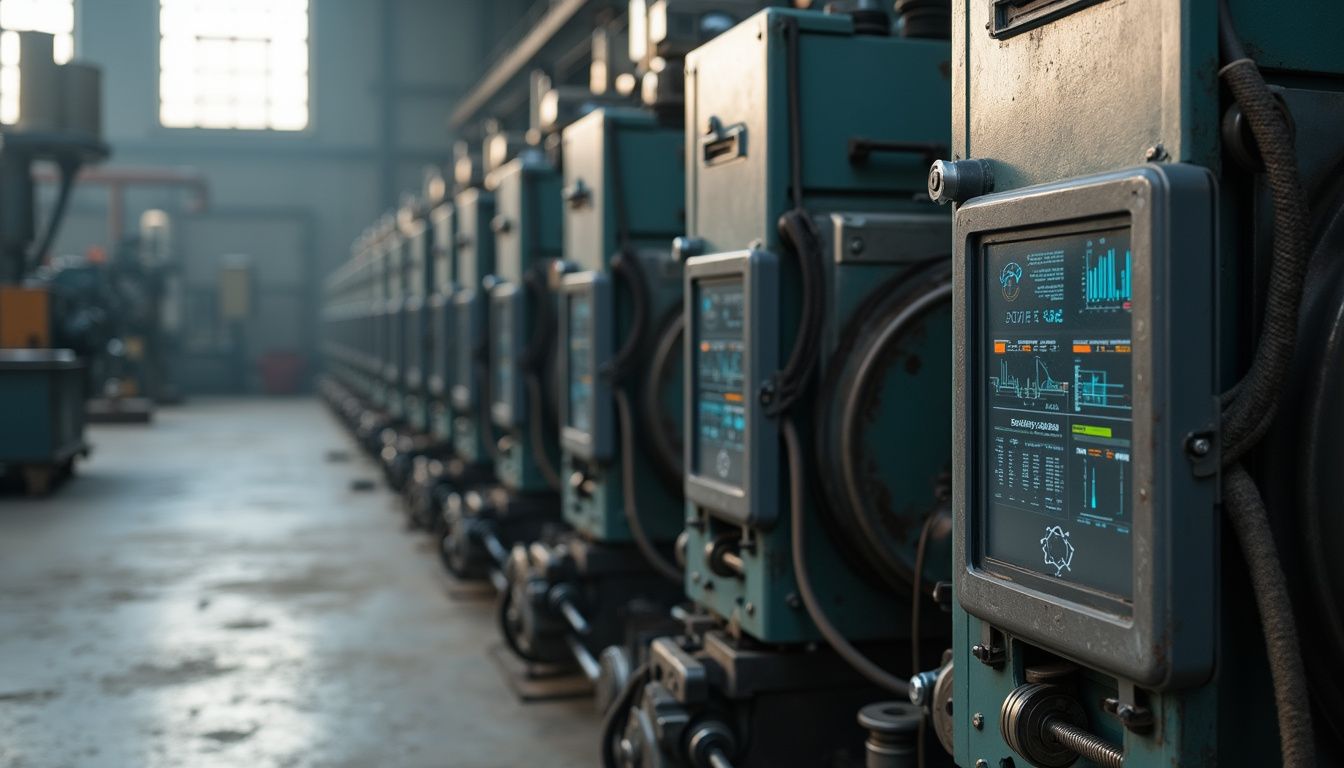
I-IoT helps us monitor setup steps in real time. We can check the status of our machines easily. I-IoT devices track tool usage and their condition during setups. This data lets us see where we can improve.
Predictive maintenance is another key benefit. It stops breakdowns before they happen, ensuring smoother operations. Data from I-IoT sensors shows trends in setup times; this helps us make better decisions.
Automated alerts remind us about key tasks and keep everything on schedule. With I-IoT, we can manage multiple machines from a central point, making our work more efficient and effective.
Monitor and Continuously Improve Setup Processes
We measure and record the setup time for each machine. This data helps us see where we can improve. Weekly meetings allow us to discuss setups, share ideas, and review our setup practices.
We set targets for reducing setup times at the machine level.
Using data analytics, we find trends that show opportunities for further optimization. Improvement ideas get documented and tracked, so we know what works. We update our setup cards and process charts as changes happen.
Continuous monitoring ensures we keep these gains in efficiency over time. Engaging employees in this process also leads to better results in our CNC operations.
Benefits of Effective Setup Time Reduction
Effective setup time reduction brings many benefits to our CNC operations. It boosts efficiency and increases productivity. With less downtime, we respond quicker to customer demand.
More frequent setups allow us to produce smaller batches, which reduces inventory. Improved processes support high-mix and low-volume production, keeping our workflow smooth.
We also enhance timely delivery of products when we reduce setup times. This aligns with ISO 9001 compliance standards and continuous improvement practices. Companies that focus on reducing setups often see gains in output and quality as well.
These advancements help foster innovation through rapid prototyping and pilot runs, making it easier for us to adapt to changing needs in the market.
Next, we'll look at ways to monitor and continuously improve our setup processes for even better results.
Conclusion
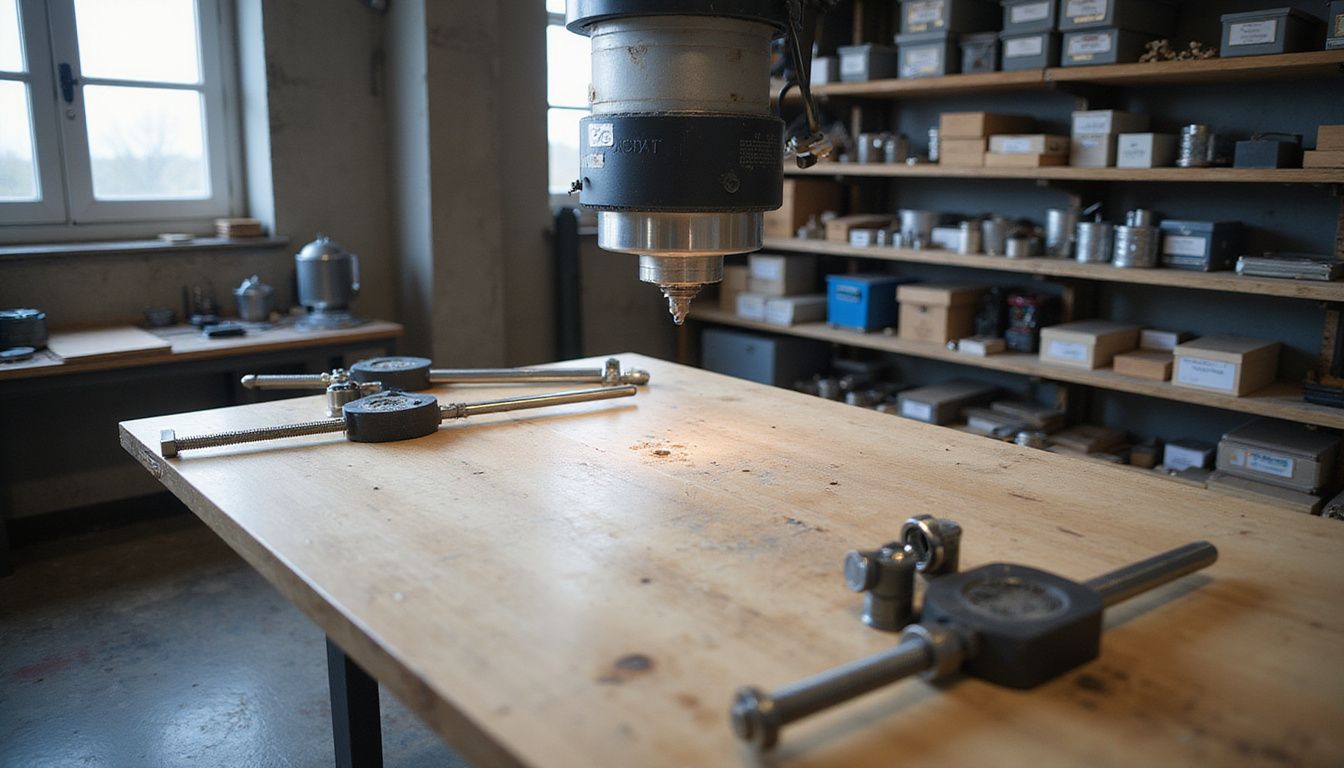
Reducing setup time in CNC operations is crucial for better efficiency. We can achieve this by following the six key strategies discussed. These include using SMED techniques, organizing workstations, and training our team.
Each step helps us streamline processes and boost productivity. Together, we can make a significant impact on our manufacturing success.

Recent Posts

LET’S START WORK
TOGETHER
Please feel free to contact us. We will get back to you with 1-2 business days. Or just call us now.